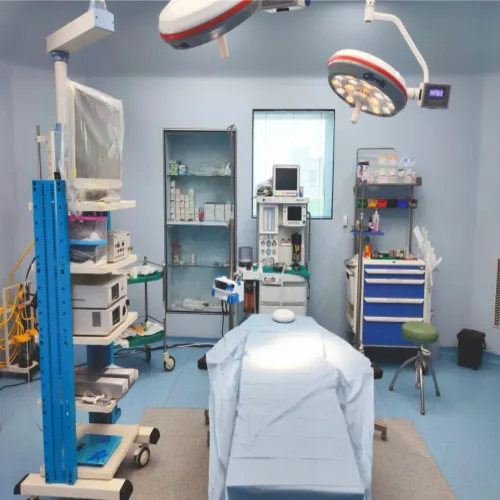
General & Laparoscopic Surgery in Ghaziabad at Le Crest Hospital
Surgical consultations
Informed treatment planning
Sector 4, Vasundhara
General & laparoscopic surgery · Vasundhara
Surgical care begins with a clear diagnosis
A painful lump, recurring abdominal discomfort, gallstone symptoms or bleeding from the rectum can be worrying. Some conditions respond to medicines, monitoring and changes in daily habits; others require an operation. A general surgeon assesses whether surgery is necessary, what alternatives exist and how the safest treatment can be planned. Le Crest Hospital's General Surgery department serves patients at its Sector 4, Vasundhara, Ghaziabad campus.
Understand when surgical assessment may help, how treatment options differ, and what to ask before a procedure.
Patients searching for a general surgeon in Ghaziabad, a laparoscopic surgeon or a piles doctor near Indirapuram may need different types of examination. A surgeon first looks for the cause and severity of the problem, considers medical history and explains whether further tests, non-surgical treatment or a procedure is appropriate. The publicly available doctors directory lists Prof. Dr. Neeraj Goyal in Laparoscopic General Surgery, with a separate published profile. Availability of individual procedures, consultants and operating facilities must be confirmed before treatment is scheduled.
Easy Online Appointment Booking
Book Your Doctor Appointment on WhatsApp
Book your appointment at Le Crest Hospital, Vasundhara, Ghaziabad, directly through WhatsApp.
A surgical opinion can be useful for a suspected hernia, symptomatic gallstones, an abdominal or skin lump, recurrent abscesses, problems involving the appendix, certain breast or thyroid concerns, and anorectal symptoms such as piles, fissure or fistula. A surgeon can also advise when an operation is not necessary, or when another specialist is better suited to the symptoms.
Hernia or abdominal swelling
Gallstone or persistent abdominal symptoms
Piles, fissures or recurring lumps
Emergency warning signs
Seek emergency assessment for severe or worsening abdominal pain with vomiting or collapse; a painful irreducible hernia with vomiting or marked swelling; significant rectal bleeding with dizziness; or signs of a serious infection such as confusion, low blood pressure or rapidly spreading redness. These symptoms should not wait for a routine outpatient slot. In India, 112 is the emergency response number.
Clinical conditions explained
Conditions commonly assessed in General Surgery
Understand symptoms, assessment and treatment considerations for conditions that may require a general surgeon’s opinion.
Hernia: groin, umbilical and incisional swelling
A hernia occurs when tissue protrudes through a weakness in a muscle or supporting wall. Patients may notice a bulge in the groin, around the navel or near an old operation scar, sometimes more apparent during coughing or lifting. The surgeon examines the site, asks whether the swelling can be reduced and reviews pain and previous operations. Imaging is not always needed, but may help in selected cases.
Management depends on symptoms, hernia type, health and the risk of complications. Some people may be monitored; others benefit from planned repair. Surgical approaches may be open or laparoscopic depending on anatomy and clinical factors. Mesh may be considered for some repairs, with benefits and risks explained. A painful bulge that cannot be pushed back, especially with vomiting or abdominal distension, can signal an emergency.
Gallstones and gallbladder problems
Gallstones are often found incidentally and do not always require surgery. When they cause repeated upper-abdominal pain, nausea or complications, the surgeon may discuss investigation and the role of gallbladder removal. Blood tests and ultrasound can help clarify the diagnosis. Decisions also consider whether symptoms might have another cause, such as indigestion or liver disease.
Laparoscopic cholecystectomy is a commonly used approach when surgery is indicated, but an individual patient may need a different technique. Ask why removal is recommended, whether non-operative management is reasonable, what complications are possible and what to expect during recovery. Fever, jaundice, severe pain or persistent vomiting requires urgent assessment, not simply a future elective appointment.
Appendicitis and acute abdominal pain
Appendicitis can begin with pain around the centre of the abdomen before moving toward the right lower side, though presentations vary. Loss of appetite, nausea, fever and worsening pain are possible. Other conditions can look similar, so the diagnosis may involve examination, blood tests and selective imaging. Suspected appendicitis needs timely medical evaluation; delaying because symptoms seem manageable can be unsafe.
Treatment may involve surgery and, for carefully selected patients, other approaches after specialist assessment. The doctor should explain the diagnosis, urgency, treatment choices and risks. Sudden severe pain, abdominal rigidity, collapse or uncontrolled vomiting warrants emergency care. Painkillers taken at home should never be used as evidence that the underlying problem has resolved.
Piles (haemorrhoids), fissure and fistula
Pain, itching, bleeding or discharge around the anus can have several causes. Piles are enlarged vascular cushions and may cause painless bright-red bleeding or swelling; a fissure is a tear often associated with severe pain during bowel movements; a fistula is an abnormal tract that can cause recurrent discharge or abscesses. These conditions are not interchangeable and require different assessments.
The surgeon may take a bowel-history, examine the area and suggest appropriate investigations. Treatment can include stool-softening measures, medicines, selected outpatient interventions or an operation depending on diagnosis and severity. Bleeding must not automatically be attributed to piles because colorectal disease has other possible causes. Persistent change in bowel habits, unexplained weight loss, anaemia or recurrent bleeding deserves appropriate medical assessment.
Abscesses, cysts and soft-tissue lumps
A lump under the skin may be a cyst, lipoma, inflamed gland, abscess or another condition. Examination considers size, growth, tenderness, skin changes and other symptoms. A soft-tissue lump is not always harmless, and growing or unusual lumps deserve an appropriate review. Some abscesses require drainage; antibiotics alone may be insufficient when a collection of pus is present.
Do not attempt to squeeze or cut a swelling at home. Rapidly spreading redness, fever, severe pain or a deteriorating general condition can indicate urgent infection. When a lump is removed or sampled, pathology testing may sometimes be recommended to establish the diagnosis. The surgeon should explain the purpose and expected follow-up.
Breast lumps and breast symptoms
A new breast lump, nipple discharge, persistent localised pain or changes in the skin should be assessed rather than diagnosed from appearance alone. Many breast problems are benign, but a clinical examination and appropriate imaging or tissue testing may be needed. The surgeon may coordinate with radiology or a breast-focused service depending on findings.
A breast concern does not automatically require surgery. The patient should understand which results are uncertain, how any biopsy is arranged and what follow-up is needed. If a suspicious finding is identified, the hospital should clarify the actual breast-surgery, oncology or referral pathway before promising a particular operation.
Thyroid, neck lumps and other surgical referrals
Some thyroid nodules and neck lumps are evaluated by a surgeon after clinical assessment and ultrasound or other tests. Many nodules do not require removal. Surgery may be considered for specific symptoms, growth patterns or concerning findings, taking account of the risks to nearby nerves and glands. The precise responsible speciality and treating surgeon should be clarified before booking.
Similarly, complex gastrointestinal, vascular or oncological problems may need a different team. General Surgery is one part of a multidisciplinary hospital; it should not claim to perform every operation associated with every organ system. Patients are better served by an honest explanation of referral arrangements and actual clinician experience.
Understand operative approaches
What does laparoscopic or minimally invasive surgery mean?
Approach and surgical suitability are decided after assessment.
01
How minimally invasive surgery differs from open surgery
Laparoscopic surgery uses a camera and instruments inserted through small incisions to perform selected abdominal operations. In appropriate cases it may reduce incision size and some aspects of postoperative discomfort or hospital stay. It is not automatically safer or suitable for every patient. Previous operations, inflammation, complexity, obesity, medical conditions and what the surgeon finds during an operation can influence the chosen approach.
An open operation may be preferable from the beginning or required if a laparoscopic procedure must be converted for safety. Patients should be informed of this possibility during consent. Terms such as robotic, laser and laparoscopic refer to different tools or approaches; they should never be used interchangeably or advertised as guaranteed improvements.
02
Questions before consenting to an operation
Ask: What diagnosis makes surgery necessary? Are observation or medicines reasonable? Who is the operating surgeon? What anaesthesia is proposed? What complications, including bleeding, infection or injury to nearby structures, are relevant? What is the chance that another procedure may be needed? Will a biopsy be sent for analysis? How soon can the patient eat, walk, work or return for follow-up?
A transparent financial discussion should include potential investigations, anaesthesia, room charges, implants or devices when relevant, and what happens if the clinical plan changes. When symptoms are not urgent, a second opinion may be appropriate. No responsible surgeon should promise “zero complications” or an identical recovery period for every patient.
Le Crest also describes its Minimal Access Surgery department. The exact operation, approach and facility must be verified for each patient rather than assumed from a general service list.
Care before and after an operation
Surgical assessment, investigations and recovery
Individualised examination, preparation and clear recovery instructions are central to a surgical care plan.
Before surgery: assessment and preparation
A surgical consultation generally includes symptom history, physical examination, medication and allergy review, previous operations, chronic disease and preferences. Blood tests, ultrasound or additional imaging may be requested only when clinically indicated. The team may review diabetes, blood pressure, heart or lung problems, nutrition and anaesthesia risks. Tell the surgeon about blood thinners, steroid medicines, tobacco and alcohol use; do not stop prescribed medicines unless instructed.
If an operation is planned, ask about fasting, whether regular medication should be taken on the day, consent, transport, expected observation and whom to contact before admission. A safe plan distinguishes what the hospital can provide from services arranged through another department or external facility.
Recovery, wound care and warning signs
Recovery varies by operation, incision, age and other conditions. Patients may receive specific instructions on wound care, walking, lifting, diet, pain management and follow-up. Early movement may be encouraged when clinically safe, but heavy exercise or lifting can require restrictions. A written discharge summary should explain medicines, dressing changes, expected symptoms and appointment dates.
Seek medical advice for increasing redness, discharge, worsening pain, fever, persistent vomiting, unusual swelling or problems taking fluids. Major bleeding, severe breathlessness, chest pain or collapse requires emergency care. Patient education is most useful when it describes expected recovery and the signs that mean a planned course is not being followed.
Patient decision checklist
Questions to clarify before a planned operation
Use these prompts alongside your surgeon’s recommendations. They do not replace individualized medical advice.
Your diagnosis and alternatives
What is the most likely diagnosis? Are medicines, observation, a second opinion or another specialist appropriate?
Procedure, risks and consent
Who will operate, why is this technique suitable, and what complications or conversion to open surgery may occur?
Recovery and follow-up
Ask about wound care, medication, activity, return-to-work limits, red flags, planned follow-up and realistic costs.
Our listed general surgeons
Meet Our General Surgery Consultants
GO
Prof. Dr. Neeraj Goyal – Laparoscopic General Surgery
General & Laparoscopic Surgery
Laser Laparoscopic & Robotic Surgeon
Le Crest's official doctors directory lists Prof. Dr. Neeraj Goyal as a laser, laparoscopic and robotic surgeon, and the hospital publishes an individual doctor profile. Patients may review that profile and ask about his current general-surgery consultations. A listed professional interest does not prove that every laser or robotic operation is performed on site or is suitable for the patient's condition.
Dr. Ankur Singh is listed under Laparoscopic General Surgery in the hospital’s public doctors directory. Confirm his consultation days and the scope of surgical care before booking.
The appointment team should verify who will evaluate the patient, whether another surgeon is required and which operations are currently performed. Only the currently listed surgical team is presented here; confirm appointments before travelling. For a condition needing colorectal, endocrine, breast or oncological input, the appropriate specialist may depend on the examination rather than the original search phrase.
Surgical care may involve evaluation, investigation, treatment, anaesthesia assessment and follow-up. Related departments can support decisions when needed. Explore Minimal Access Surgery and the Ghaziabad hospital guide.
In Vasundhara, Ghaziabad
General Surgery in Ghaziabad for Vasundhara and Indirapuram patients
Le Crest Hospital is located at Budh Chowk, Sector 4, Vasundhara, Ghaziabad, Uttar Pradesh 201012. Patients who search for piles doctors, laparoscopic surgeons or general surgeons in Indirapuram, Vaishali, Kaushambi or Sahibabad can enquire about consultations at this Vasundhara campus. These localities are service catchments, not separate Le Crest hospital branches.
Patients comparing treatment providers should look for credible qualifications, a clear diagnosis, suitable operating arrangements, honest discussion of risks and accessible follow-up. The department page should explain general-surgery services; any future piles-specific landing page should answer local booking questions without copying this full department description.
Common concerns include hernias, gallbladder symptoms, suspected appendicitis, soft-tissue lumps, certain breast or thyroid problems and anorectal conditions. The appropriate scope is confirmed during assessment.
2. Do all hernias require urgent surgery?
No. Management depends on type, symptoms and risk. A painful irreducible hernia with vomiting or worsening swelling is an emergency and needs prompt medical attention.
3. Are piles, fissure and fistula the same problem?
No. They affect different tissues and can produce overlapping symptoms. Examination is needed because bleeding or anal pain has other possible causes too.
4. Is laser piles surgery always the best option?
No. Treatment selection depends on diagnosis, extent, symptoms and evidence for the available options. The hospital must confirm whether a proposed laser procedure is currently available and suitable.
5. Can gallstones be treated without surgery?
Some gallstones cause no symptoms and may not need an operation. Recurrent pain or complications can change the recommendation. Discuss the expected benefit and risks with a surgeon.
6. Is laparoscopic surgery always safer than open surgery?
No. Both have appropriate indications and risks. Some patients require an open operation or conversion during surgery for safety.
7. What tests are needed before general surgery?
The surgeon selects tests according to the procedure, medical history and examination. Not every person needs the same blood tests, scans or specialist clearances.
8. Which general surgeon is listed on Le Crest's website?
The public doctors directory includes Prof. Dr. Neeraj Goyal under Laparoscopic General Surgery and links to his individual profile. Confirm the current operating team and schedule.
9. What symptoms mean I should seek emergency care?
Severe worsening abdominal pain, a painful hernia that cannot be reduced with vomiting, major bleeding or signs of serious infection need immediate medical evaluation.
10. Is Le Crest's surgery department located in Indirapuram?
No. The hospital is located in Sector 4, Vasundhara, Ghaziabad, and accepts enquiries from patients travelling from surrounding NCR localities.
Easy Online Appointment Booking
Book a General Surgery assessment on WhatsApp
Book your appointment at Le Crest Hospital, Vasundhara, Ghaziabad, directly through WhatsApp.