Dentistry & Implantology in Ghaziabad at Le Crest Hospital
Dental consultations
Informed treatment choices
Sector 4, Vasundhara
Patient-focused dental care · Vasundhara
Dental care planned around your needs
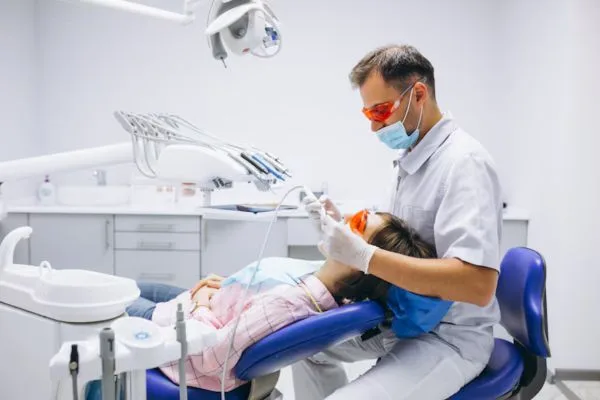
A painful tooth, bleeding gums, sensitivity while eating or a missing tooth can affect nutrition, sleep, speech and confidence. Dental problems often become harder to manage when appointments are delayed, particularly if infection or swelling develops. The Department of Dentistry & Implantology at Le Crest Hospital, Sector 4, Vasundhara, Ghaziabad, helps patients access examinations, preventive advice and treatment planning for common and more complex oral-health concerns.
Whether you are searching for a dentist in Vasundhara, a dental clinic in Ghaziabad or an opinion about root canal treatment or a dental implant, the first step is a proper diagnosis. Our dental team considers the condition of the affected teeth, gums, bite, underlying medical history and the patient's priorities before recommending care. Not every damaged tooth needs removal, and not every missing tooth should be replaced in the same way.
Patients travel to our hospital from Indirapuram, Vaishali, Kaushambi, Sahibabad and surrounding Delhi-NCR areas. The department operates within the Vasundhara hospital; its appointment desk can confirm dentist availability, procedures and expected visits.
For routine dental questions, contact the appointment team and describe the concern. Major swelling affecting breathing or swallowing requires emergency assessment.
Easy Online Appointment Booking
Book Your Doctor Appointment on WhatsApp
Book your appointment at Le Crest Hospital, Vasundhara, Ghaziabad, directly through WhatsApp.
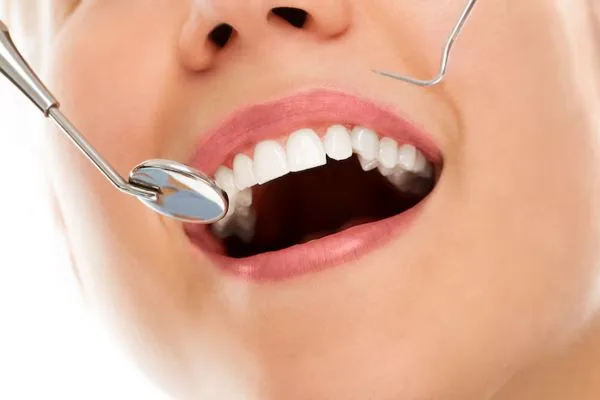
A dental check-up is useful not only when there is pain but also for identifying early decay, gum problems and changes in existing restorations. Arrange an examination if you notice toothache, sensitivity to hot or cold, bleeding during brushing, persistent bad breath, gum swelling, a broken tooth, discomfort around a wisdom tooth or difficulty chewing.
Toothache or temperature sensitivity
Bleeding gums or persistent bad breath
Swelling, broken tooth or difficulty chewing
Urgent dental warning signs
Urgent dental warning signs: tooth pain with swelling, fever, a bad taste, pus or trouble opening the mouth requires prompt dental advice because an abscess usually needs dental treatment. Breathing, swallowing or speaking difficulty; major face/neck swelling; or uncontrolled bleeding requires emergency medical care immediately. For a knocked-out permanent tooth, seek urgent dental care; handle it by the crown rather than the root and avoid scrubbing it.
Dental services explained
Dental Conditions and Treatments
Understand common dental conditions, assessment and care choices. Specific procedures and clinician availability should be confirmed with the department.
Routine Dental Check-ups and Preventive Care
Regular visits help assess teeth, gums, fillings, oral hygiene and any early concerns. Professional cleaning may be advised to remove deposits that brushing cannot remove. The appropriate frequency of follow-up depends on factors such as gum health, decay history, medical conditions and home-care practices rather than a fixed schedule for every patient.
Tooth Decay, Fillings and Tooth Sensitivity
Dental decay can progress from early enamel changes to a cavity or deeper infection. Depending on the stage, management may involve preventive measures, a restoration or treatment of the tooth's inner tissues. Sensitivity also has several possible causes, including gum recession, enamel wear, cracks and decay. A clinical examination helps avoid unnecessary treatment.
Root canals and extraction are not interchangeable. The department can discuss the tooth’s restorability, supporting gum health and the need for a final crown; do not decide on treatment from symptoms alone. Read the root canal versus extraction guide ↗
Root Canal Treatment (Endodontics)
When the tissue inside a tooth becomes inflamed or infected, root canal treatment may help retain the natural tooth if it is restorable. The dentist examines the tooth, considers suitable imaging and explains whether endodontic treatment, restoration or extraction is appropriate. Local anaesthesia is commonly used for comfort, but temporary soreness or follow-up work may still be expected. A crown may sometimes be recommended after treatment to protect a weakened tooth.
Gum Disease and Bleeding Gums
Bleeding gums should not be ignored. Gingivitis may improve with professional cleaning and better daily hygiene, while more advanced periodontal disease can affect the supporting tissues and bone. The dentist may recommend cleaning, periodontal assessment, home-care improvements and, in selected cases, further treatment or referral. Managing risk factors such as tobacco use and diabetes can also be relevant to gum health.
Missing Teeth and Dental Implants
A dental implant is a planned replacement for a missing tooth root, commonly used with a crown or other prosthesis. Before recommending it, the dental team assesses gum health, bone support, the available space, oral hygiene and medical factors. Implants are not suitable for everyone and require ongoing care. Bridges or removable dentures may also be appropriate, depending on the clinical situation, budget and preferences. The hospital's published department page lists dental implant services; current implant surgeon and surgical facilities should be confirmed in advance.
Crowns, Bridges and Restorative Dentistry
Restorative treatment aims to preserve function and remaining tooth structure where possible. Crowns may protect teeth weakened by extensive decay or root canal treatment, while bridges can replace certain missing teeth. The dentist discusses likely longevity, maintenance and alternatives according to the condition of nearby teeth and gums.
Smile Aesthetics and Teeth Whitening
Stained, uneven or damaged teeth may prompt questions about whitening, veneers or other cosmetic procedures. These treatments require a dental examination to check gum and tooth health first. Whitening may not change the colour of existing crowns or fillings, and certain procedures are irreversible. The hospital's existing service page lists cosmetic dentistry; the exact techniques and availability should be confirmed during consultation.
Braces and Teeth Alignment
Misaligned teeth and bite problems may be managed using fixed appliances or aligners in suitably selected patients. Treatment requires assessment of gum health, jaw relationships and the complexity of alignment. If specialist orthodontic care is needed, the dental team should explain how the appropriate consultation is arranged. Do not assume every aligner system is available without confirmation.
Wisdom Teeth and Oral Surgery
Some wisdom teeth never require removal; others cause recurrent pain, infection or damage to adjacent teeth. Examination and appropriate imaging help determine whether removal or observation is sensible. Oral and maxillofacial concerns may need specialist assessment, especially when surgery, facial trauma, jaw problems or more complex medical issues are involved.
Children's Dental Health
Children may need assessment for tooth decay, discomfort, dental injuries or developing bite problems. Preventive guidance includes brushing habits, fluoride use where appropriate, limiting frequent sugar exposure and helping children become comfortable with regular check-ups. The right approach varies with the child's age, cooperation and oral-health needs.
Understand your appointment
What Happens During a Dental Consultation?
01
A dental consultation starts with your main concern, how long symptoms have lasted and relevant medical or medicine history. The dentist examines teeth, gums, bite, oral soft tissues and existing fillings or restorations. Imaging or another test may be recommended when needed to investigate decay, infection, an impacted tooth or treatment planning. Ask which examination and imaging services are currently available at the department.
02
The next step is a practical conversation: Can the tooth be saved? What happens if treatment is postponed? Would a filling, root canal, crown, extraction or implant assessment be appropriate? What are the benefits, alternatives, possible complications, cost estimate and follow-up visits? A good plan reflects oral health, medical risks and patient choice—not a cosmetic outcome guarantee.
03
Before treatment: bring details of regular medicines, allergies, diabetes, bleeding disorders, pregnancy or previous reactions to anaesthesia. Mention anticoagulants, osteoporosis medicines and previous dental X-rays; do not stop prescribed medicines unless the treating clinician tells you to do so.
Clear choices, informed consent
Making an informed dental treatment decision
Ask about alternatives, anticipated benefits and risks before choosing a treatment.
Saving a tooth versus removing it
A common question is whether a painful tooth can be saved. The answer depends on remaining tooth structure, gum and bone support, infection, cracks and whether a durable final restoration is possible. Root canal treatment may preserve a restorable tooth; extraction can be safer when prognosis is poor. Both require explanation of likely costs, follow-up, potential complications and the alternatives. Do not decide on the treatment from pain severity alone.
Dental treatment and general health
Patients with diabetes, heart conditions, immune suppression, bleeding problems or pregnancy may need an adapted dental plan. Bring a complete medication list and explain prior reactions to anaesthesia or antibiotics. Do not stop anticoagulants or other prescribed medicines unless the treating clinician instructs you. An assessment may involve coordination with another hospital department, but that decision depends on the actual case.
Infection-control, consent and aftercare questions
Ask how the proposed procedure will be performed, whether local anaesthesia is planned, what discomfort is expected and who to contact if swelling increases afterward. For implants or surgical extractions, clarify the clinician's qualifications, diagnostic imaging needs and whether a staged approach is required. A reliable plan includes infection-control practices, consent, a realistic cost estimate and written care instructions—not guarantees of permanent or completely painless treatment.
Our dental team
Meet Our Dental Doctors at Le Crest Hospital
Doctors are shown as listed in the public Le Crest Hospital directory; current schedules and individual procedure scopes should be confirmed.
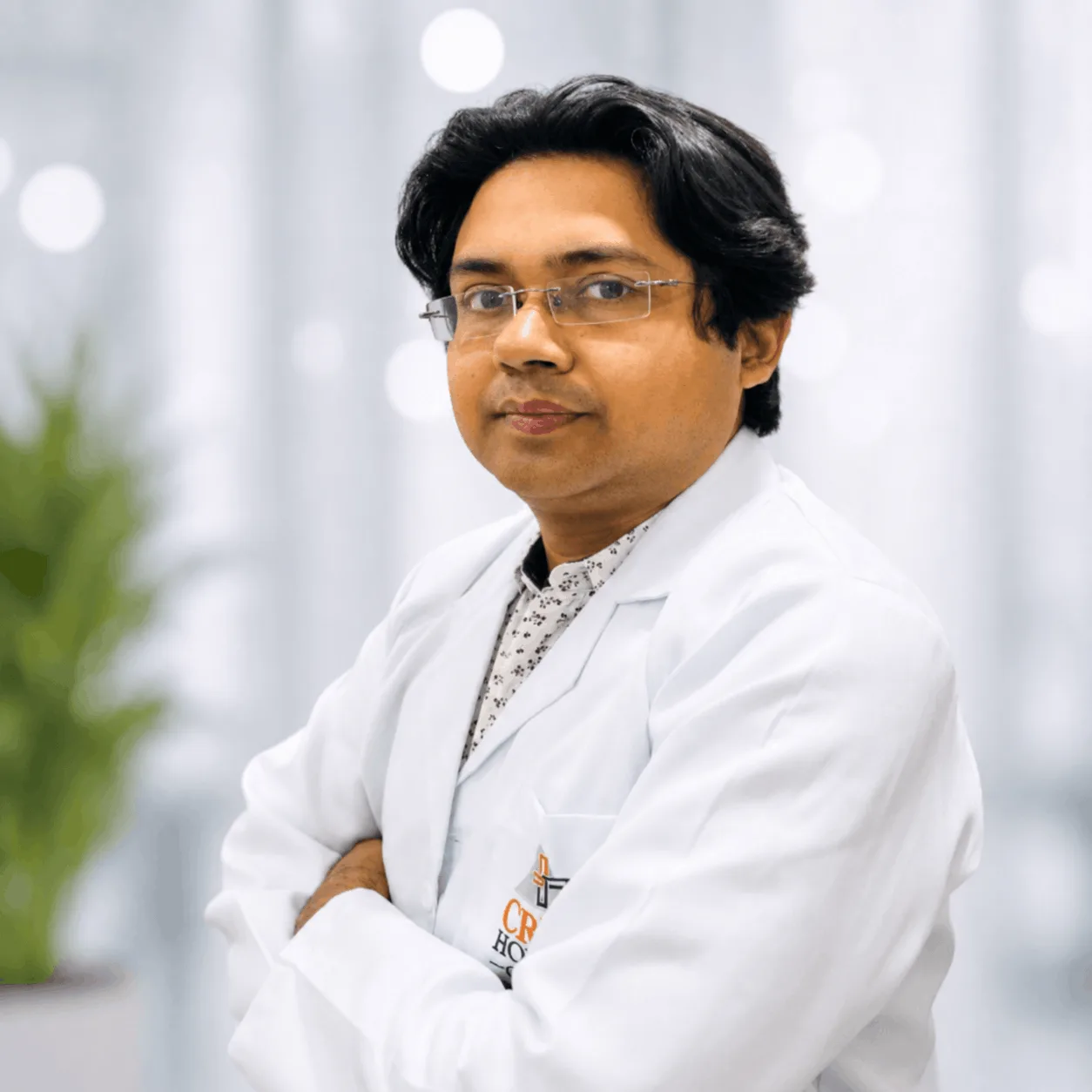
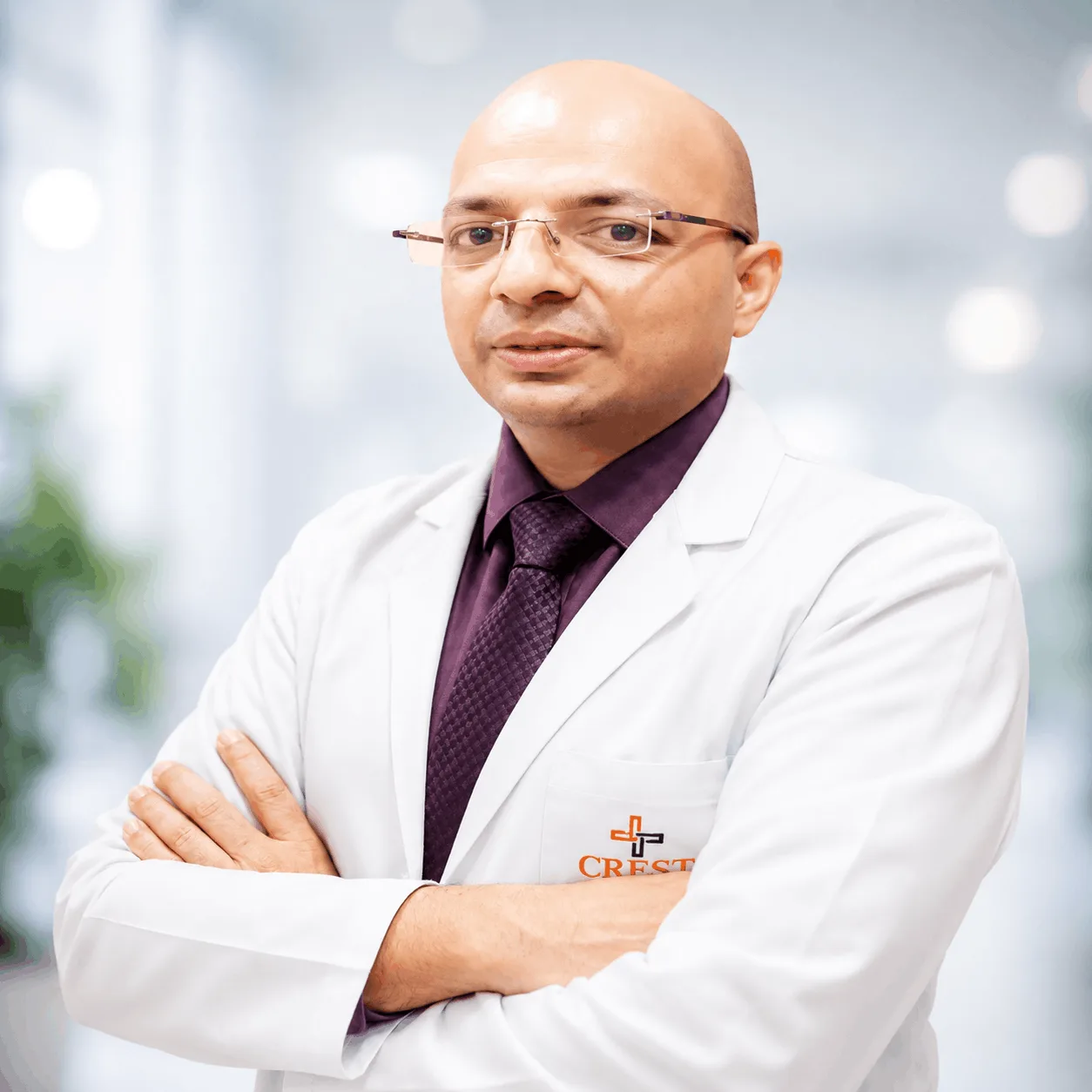
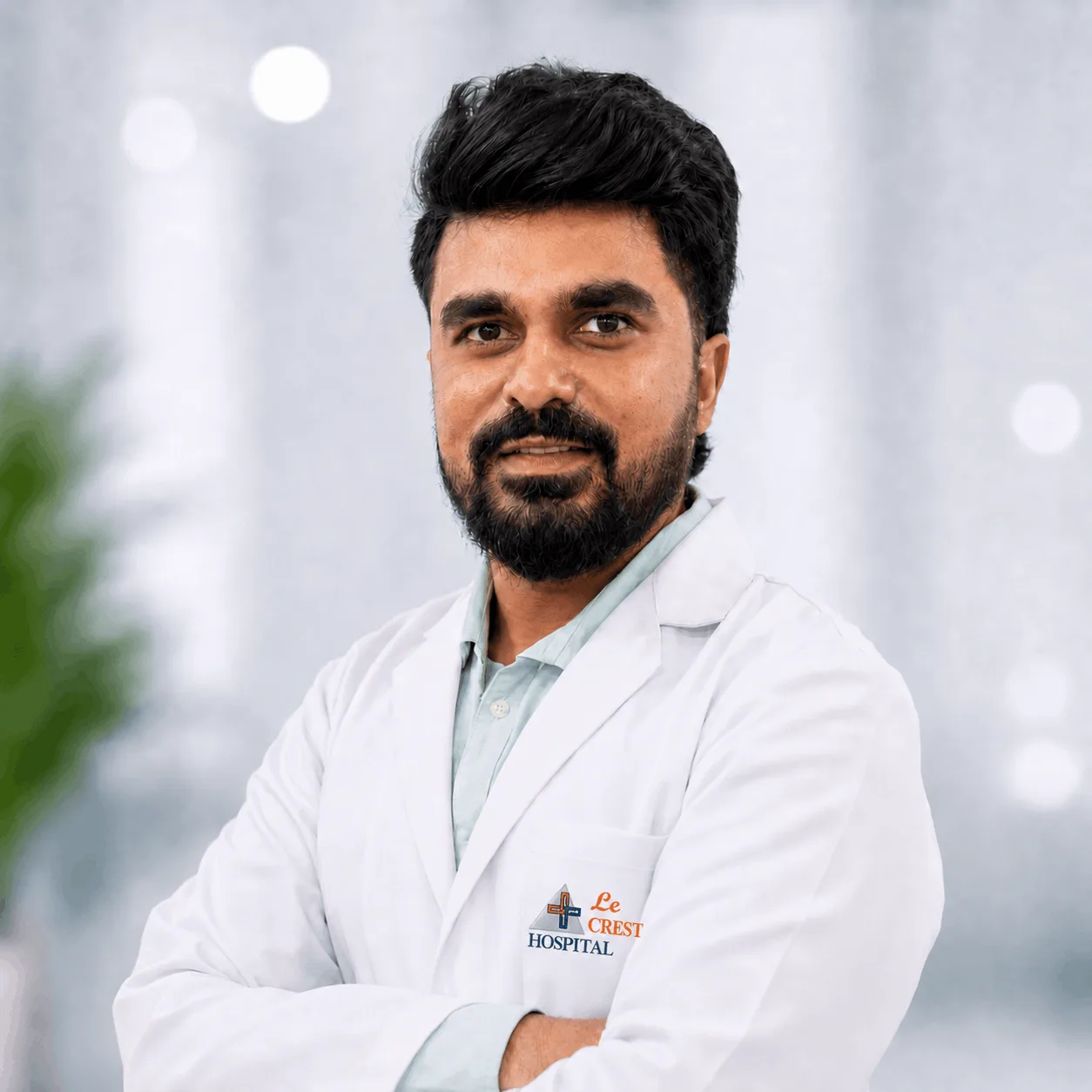
Qualifications listed by the hospital: BDS, MPH. The doctors directory describes Dr. Utkarsh Upadhyay as a Senior Oro-Dental Consultant and Advanced Dental Aesthetic Surgeon. Ask the department which aesthetic, restorative or other dental consultations are currently offered under his care.
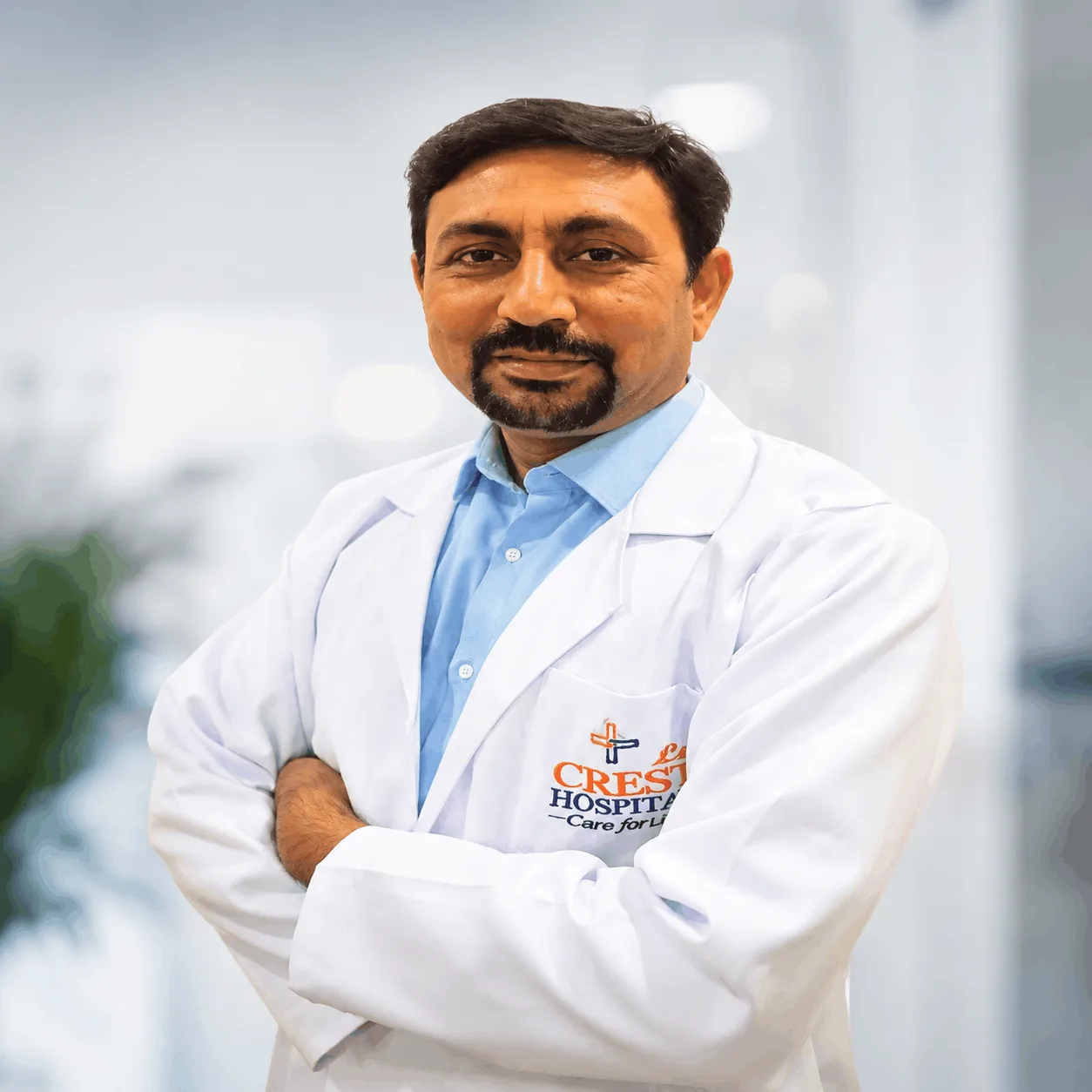
Qualifications listed by the hospital: BDS; Certified Endodontist. The hospital lists Dr. Nisha Joshi as a Senior Oro-Dental Consultant and Cosmetic Dental Surgeon. Patients with toothache or questions about root canal treatment may enquire about her consultation and the relevant treatment availability.
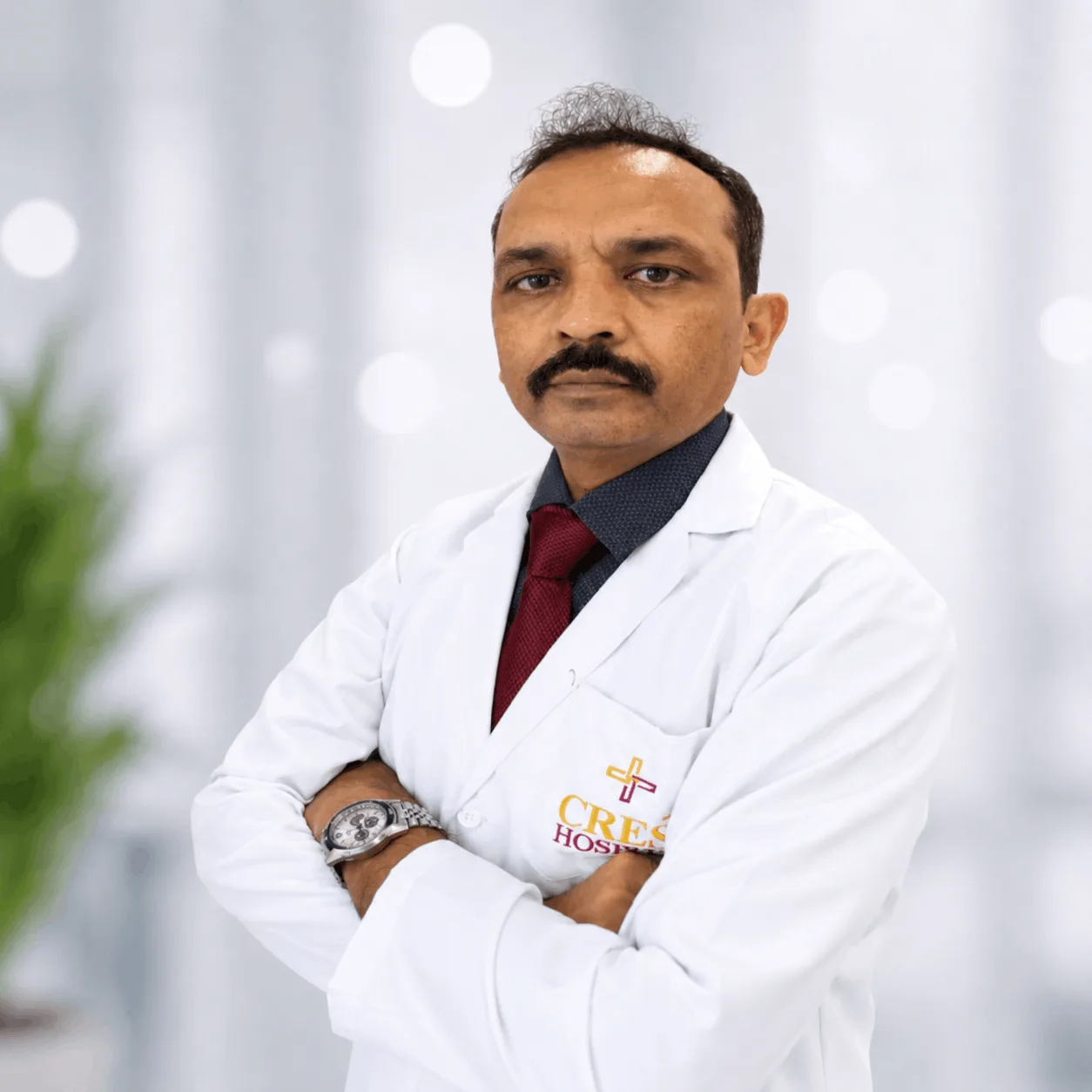
Dr. Khushboo is listed by name as a Dental Surgeon in the hospital's dental team directory. The department can clarify her current OPD schedule and the most suitable appointment for a patient's concern.
Patients can find the currently listed team in the Le Crest Hospital doctors directory and request a clinician-specific appointment. Treatment selection and availability are confirmed after clinical assessment.
Browse the hospital's directory-listed doctors across departments. The carousel excludes the dental clinicians shown above. Individual profile links appear where verified.
Oral-health concerns sometimes overlap with other conditions or treatments. For example, diabetes and periodontal health may affect each other, and complex dental procedures may require review of medications and medical history. Being based in a multispeciality hospital allows the treating team to consider coordination with other services when appropriate, subject to current clinical availability.
The priority is a clear diagnosis and an explanation of options: whether a tooth can be retained, which restoration is appropriate, the trade-offs between implants and other replacements, and how to look after the result. Outcomes vary, so no procedure should be represented as completely painless or permanently successful.
In Vasundhara, Ghaziabad
Dentist in Vasundhara, Ghaziabad for Nearby NCR Areas
Le Crest Hospital is at Budh Chowk, Plot No. 13, Maharaja Agarsain Marg, Sector 4, Vasundhara, Ghaziabad, Uttar Pradesh 201012. Patients searching for a dentist in Vasundhara or dental care near Vaishali, Indirapuram, Kaushambi and Sahibabad can contact the hospital and attend a consultation at this Vasundhara location.
For general guidance, see our existing Dental Hospital in Ghaziabad article and Best Dentist in Ghaziabad patient guide. These articles offer additional background information about oral health and appointment decisions. Explore all hospital specialities if a condition requires multidisciplinary care.
Frequently Asked Questions About Dentistry in Ghaziabad
1. How do I choose a dentist in Vasundhara?
Check the dentist's qualifications, the type of treatment needed, availability of appropriate diagnostic assessment, clarity about costs and whether follow-up care is explained. Le Crest Hospital lists three dental doctors in its current directory.
2. Is a root canal better than tooth extraction?
It depends on whether the tooth can be predictably restored, the severity of infection, gum and bone support, and the patient's preferences. Keeping a natural tooth is often considered when feasible, but extraction can be appropriate in some cases.
3. Is root canal treatment completely painless?
Local anaesthesia is commonly used to improve comfort, although some patients experience pressure during care or temporary soreness afterwards. Speak to the dentist about pain control and what to expect.
4. Are dental implants suitable for everyone?
No. Bone availability, gum health, oral hygiene, smoking, medical conditions and some medicines may influence suitability. The dental team will discuss alternatives and the need for maintenance.
5. Why do gums bleed while brushing?
Bleeding is often associated with gum inflammation but may have other causes. Persistent bleeding deserves an examination, professional advice and appropriate treatment rather than simply stopping brushing.
6. Does every wisdom tooth have to be removed?
No. Some wisdom teeth can be monitored. Removal may be recommended when they repeatedly cause symptoms, infection or damage and the expected benefits outweigh the risks.
7. Can children visit the dental department?
The published dental service information includes paediatric dentistry. Contact the department to confirm availability for your child's age and the specific concern.
8. Who are the dentists listed at Le Crest Hospital?
The current doctor directory names Dr. Utkarsh Upadhyay, Dr. Nisha Joshi and Dr. Khushboo under Dental, Oral & Maxillofacial Surgery.
9. Is Le Crest Hospital's dental department in Indirapuram?
No. The hospital is located in Sector 4, Vasundhara, Ghaziabad and serves patients from Indirapuram, Vaishali and the surrounding NCR area.
10. How do I book an appointment with a dentist in Ghaziabad?
Contact +91 95825 78821 or use Le Crest Hospital's WhatsApp appointment link. Ask the team about the doctor, service, consultation schedule and estimated visit requirements.
Easy Online Appointment Booking
Book a Dental Consultation at Le Crest on WhatsApp
Book your appointment at Le Crest Hospital, Vasundhara, Ghaziabad, directly through WhatsApp.