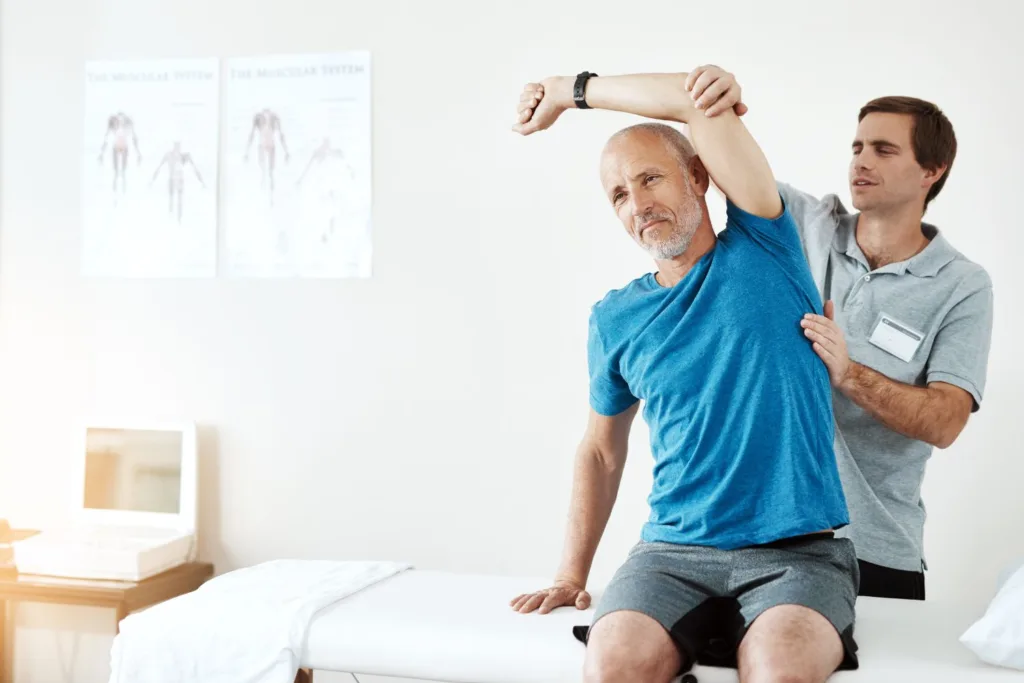

Pain can change a person’s routine in small ways before it becomes a major problem. You may avoid the stairs because your knee hurts, stop walking after a backache, or feel uncertain about moving your shoulder after an injury. When these changes continue, an assessment can be more useful than repeatedly taking rest or trying exercises from a random video. Physiotherapy in Ghaziabad can help selected patients recover strength, improve movement and learn safer ways to return to their usual activities.
At Le Crest Hospital, Sector 4, Vasundhara, physiotherapy is provided within a multispeciality hospital. The department supports musculoskeletal rehabilitation, recovery after surgery, neurological movement problems and other functional limitations. The important first step is to understand the cause of the problem: similar symptoms can require very different treatment. This guide explains when to seek help, what a realistic rehabilitation plan looks like, and when physiotherapy alone is not the right starting point.
What Does Physiotherapy Actually Do?
Physiotherapy is healthcare focused on movement and physical function. A physiotherapist assesses the activities a person finds difficult and examines factors such as strength, mobility, balance, endurance, coordination and pain-related movement changes. The aim is not to make every person perform the same set of exercises. It is to select appropriate interventions for a confirmed or suspected problem and adapt them as recovery progresses.
Treatment can include graded strengthening, flexibility and mobility exercises, walking practice, balance work, education about everyday activities, and selected manual techniques when clinically appropriate. Some patients require coordination with an orthopaedic surgeon, physician or neurologist. Equipment-based treatments, when offered, should complement an individual rehabilitation plan rather than substitute for assessment and active recovery.
Back Pain: The Difference Between Rest and Recovery
Back pain is common, but the term describes a symptom rather than a single diagnosis. Muscular discomfort, a problem aggravated by prolonged sitting, a nerve-related condition and pain after trauma have different implications. A physiotherapist asks how the pain began, what makes it worse or better, whether it spreads into a leg and how daily activities have changed.
For suitable patients, a plan may begin with gentle movement, then progress towards trunk and hip strength, walking tolerance, and confidence with ordinary tasks. Long periods of unnecessary bed rest can make physical conditioning worse. Equally, pushing through severe pain or neurological symptoms is not appropriate. Sudden leg weakness, loss of bladder or bowel control, numbness around the saddle area or back pain after serious trauma require urgent medical assessment instead of a routine physiotherapy booking.
Knee Pain: Why the Diagnosis Matters
Knee pain during stairs, walking or rising from a chair can come from osteoarthritis, tendon irritation, an injury, or other causes. A physiotherapy assessment looks at swelling, range of movement, muscle strength, balance, walking pattern and tolerance of daily activities. The plan may use quadriceps and hip strengthening, pacing, safe mobility work and gradual progression of walking or stair practice.
The treatment should be adjusted to the likely condition and the person’s goals. A patient with an uncomplicated chronic knee problem may benefit from progressive exercises, while a person unable to bear weight after a fall may need an urgent orthopaedic assessment or imaging. Physiotherapy should not be used to bypass the evaluation of a possible fracture, major ligament injury or infection.
Shoulder and Neck Problems That Affect Everyday Life
Shoulder stiffness may interfere with dressing, washing hair or reaching a shelf. Neck symptoms can make driving, desk work and sleeping uncomfortable. Assessment considers the movement that is restricted, the pattern of pain, strength and whether symptoms suggest a different medical concern. A plan might include guided range-of-motion work, exercises for shoulder-blade control, progressive loading and advice on work positioning.
There is no single “best exercise” for all shoulder or neck problems. Frozen shoulder, rotator-cuff-related pain and a recent dislocation should not be treated as interchangeable. If weakness appears suddenly, pain follows a significant accident, or symptoms accompany chest pain or other worrying changes, medical assessment takes priority.
Rehabilitation After an Injury or Orthopaedic Surgery
Recovering from a fracture repair, ligament procedure or joint replacement requires a plan coordinated with the treating surgeon’s instructions. The stage of healing determines how much weight a patient can place on the limb and which movements are appropriate. A physiotherapist then helps rebuild range of motion, muscle control, walking ability and function within those restrictions.
Progress is not measured only by how much pain has reduced. Useful milestones can include moving from a walker to safer independent walking, climbing a flight of stairs, sitting comfortably for work, or returning to a sport after meeting strength and control goals. Patients should bring their discharge summary and procedure-specific precautions. Never copy an exercise progression designed for someone with a different operation.
Neurological and Age-Related Mobility Rehabilitation
Movement problems are not limited to orthopaedic conditions. After some neurological illnesses, people may need help with balance, walking, coordination and transfers between sitting and standing. Older adults may require fall-risk assessment or a programme that addresses leg strength and confidence. These plans often involve caregivers, practical home advice and cooperation with the broader medical team.
The right approach depends on diagnosis, fatigue, cognition, circulation and other medical factors. Safety is especially important when a person has unexplained new neurological symptoms or frequent falls. Timely medical evaluation is required if there is sudden facial drooping, arm weakness or difficulty speaking; these can be signs of stroke.

What Happens in the First Physiotherapy Session?
An initial appointment should establish a baseline rather than promise a guaranteed number of sessions. The physiotherapist may review the medical history, existing medicines, scans or prescriptions, and ask which activities have become difficult. Examination can cover movement range, strength, functional tasks, balance, swelling and symptom triggers. Not everyone requires a scan, and a scan alone does not tell the whole story about physical function.
Next, the therapist and patient should agree on achievable goals. A person hoping to return to walking may need a different programme from someone returning to field sports. The therapist should explain what to practise at home, which symptoms to monitor, how to modify effort and when progress will be reviewed. If the findings indicate a medical or surgical issue, the patient may be referred for further evaluation.
Active Exercise, Manual Care and Home Practice
A rehabilitation programme often combines supervised sessions with activities patients can safely practise on their own. Exercise choices should reflect the diagnosis, current ability and recovery stage. Some people begin with short, tolerable movements; others progress to strength, stamina or agility work. Consistency usually matters more than performing a large number of unfamiliar exercises in one day.
Hands-on techniques may sometimes improve comfort or movement, but treatment should not depend exclusively on passive care if active rehabilitation is appropriate. The home programme should be understandable, practical and reviewed if symptoms change. Ask your physiotherapist what each exercise is intended to improve and how to recognise if you are doing too much.
How Long Does Physiotherapy Take to Work?
There is no honest universal answer. Minor functional problems, persistent chronic symptoms and post-surgical recovery follow different time courses. Progress is influenced by the diagnosis, baseline function, medical conditions, adherence to a suitable programme and the stage of healing. Some goals can be measured after a few visits; other conditions need longer rehabilitation and follow-up.
Rather than purchasing a fixed package solely because it promises rapid results, ask how progress will be assessed. Examples include improved walking distance, easier stair climbing, greater shoulder movement, better balance or increased tolerance for work. If function is not improving as expected, the plan and diagnosis should be reviewed instead of simply continuing unchanged.
Physiotherapy at Le Crest Hospital, Vasundhara
Le Crest Hospital’s published Physiotherapy Department information lists Dr. Aaliya Saifi and Dr. Santosh Pandey (BPT, MPT, MIAP, CVT, CPFT). The department can work alongside orthopaedics and other hospital specialities when coordination is appropriate. Its location is Budh Chowk, Plot No. 13, Maharaja Agarsain Marg, Sector 4, Vasundhara, Ghaziabad.
Patients may visit from Vasundhara, Indirapuram, Vaishali, Kaushambi, Sahibabad, Raj Nagar Extension, Crossings Republik, Vijay Nagar and nearby Ghaziabad communities. Availability, assessment requirements and session arrangements should be confirmed with the hospital in Ghaziabad.
What to Bring and What to Ask
Take previous prescriptions, X-rays or MRI reports if available, a surgery discharge summary when relevant, a list of medicines and any prescribed movement restrictions. Comfortable clothing makes assessment easier. It is useful to write down your two most important goals: for example, walking without assistance and climbing stairs with less difficulty.
Ask what the likely problem is, which movements are safe, what changes warrant medical review and how improvement will be measured. If something is unclear, ask for a simple demonstration. Rehabilitation works best when a patient understands the plan and can participate confidently.
Take the Next Step Safely
A successful physiotherapy plan begins with a realistic assessment of what you can currently do and what you want to regain. If pain, stiffness, weakness or reduced mobility is interrupting your routine, contact Le Crest Hospital’s Physiotherapy Department to discuss an appropriate consultation. Seek urgent medical care instead for serious injuries, sudden neurological changes or other emergency warning signs. For appointment-focused information, visit the Book An Appointment Page.
Frequently Asked Questions
1. Is physiotherapy useful for long-standing back pain?
It may be useful for suitable patients, particularly when movement, strength or function has been affected. Assessment is essential because some symptoms require medical investigation first.
2. Can physiotherapy help knee osteoarthritis?
An individualised exercise and functional rehabilitation programme may help manage symptoms and improve strength or mobility. Treatment depends on the severity and the patient’s clinical situation.
3. Does every physiotherapy patient need an MRI?
No. Decisions about imaging depend on medical findings and suspected causes; many rehabilitation assessments are based primarily on history and physical examination.
4. Is pain during an exercise always dangerous?
Not necessarily, but new severe pain, increasing swelling, weakness or other worrying symptoms should be discussed promptly. Your therapist should explain a reasonable symptom-monitoring plan.
5. Can older adults benefit from physiotherapy?
Yes. Some older adults benefit from strength, balance and mobility work tailored to their health and fall risk.
6. Is physiotherapy suitable after joint replacement?
It often forms part of rehabilitation, with exercises and weight-bearing guidance coordinated with the surgeon’s postoperative instructions.
7. Can I book treatment without an orthopaedic consultation?
Some movement concerns can be assessed directly by a physiotherapist, but significant trauma, suspected fracture or urgent symptoms require appropriate medical evaluation.
8. Where is Le Crest Hospital located?
The hospital is in Sector 4, Vasundhara, Ghaziabad, and serves patients from Indirapuram and nearby areas.