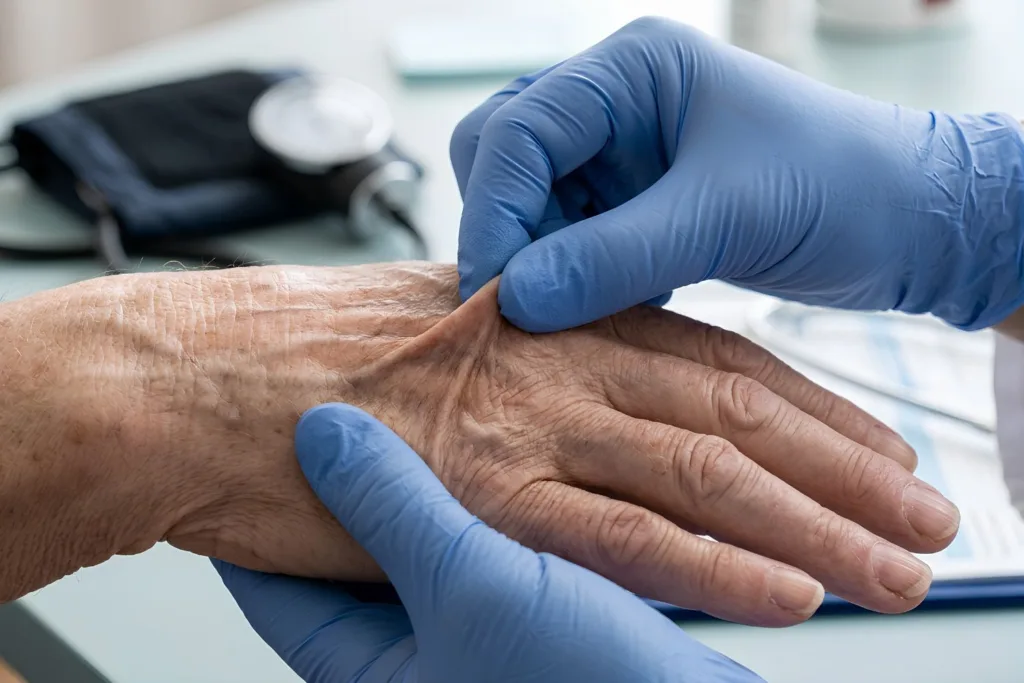

A temperature of 38°C (100.4°F) or above is generally considered a fever in a child. A baby younger than three months with a measured temperature of 38°C or higher needs urgent medical assessment; a baby aged three to six months with a temperature of 39°C or higher also needs prompt assessment. At any age, breathing difficulty, a seizure, unusual drowsiness, a non-fading rash or signs of severe dehydration are reasons to seek emergency care. The child’s behaviour, age and other symptoms matter as much as the temperature.
Fever is one of the most common reasons parents seek a pediatrician in Ghaziabad. It can begin suddenly, sometimes with a cough, sore throat, vomiting or reduced appetite. Most childhood fevers relate to illnesses that improve, but some signal an infection or another condition requiring urgent treatment. The challenge for parents is deciding how quickly their child should be examined, not simply how to lower the thermometer reading.
This practical guide is for families in Ghaziabad, including Vasundhara, Indirapuram, Vaishali, Sahibabad and nearby Delhi-NCR areas. It explains signs to watch for, sensible home care, what happens at a fever consultation and when an outpatient appointment is not appropriate. It does not replace examination by a qualified clinician.
What temperature counts as fever in children?
A reading of 38°C or above is a commonly used fever threshold. Use an appropriate digital thermometer and the method recommended for your child’s age. For young children, an armpit measurement may be used as directed; follow the thermometer instructions and discuss uncertain readings with a healthcare professional. Avoid mercury thermometers and do not rely on a hand placed on the forehead alone.
Some children shiver, sweat, sleep more or eat less when they have fever. In children older than six months, temperature height alone should not be used to judge severity. A child whose temperature is lower but who cannot stay awake or is struggling to breathe needs more urgent attention than an alert, hydrated child with a higher reading.
Child fever decision guide: home observation, doctor or emergency?
| Child’s age or symptoms | Recommended action |
| Under 3 months with 38°C or higher | Obtain urgent in-person medical assessment. Do not wait for the next routine clinic slot. |
| 3–6 months with 39°C or higher | Seek prompt medical assessment. |
| Any age with breathing difficulty, blue/grey colour, a seizure, stiff neck, reduced responsiveness or a rash that does not fade on pressure | Seek emergency care immediately. |
| Not drinking, markedly fewer wet nappies/urinations, persistent vomiting, unusual weakness or worsening dehydration | Seek prompt medical advice; severe dehydration needs emergency care. |
| Fever for five days or longer, or worsening after an earlier evaluation | Arrange a prompt paediatric review, including assessment for uncommon causes such as Kawasaki disease. |
| An older child who is alert, comfortable, breathing normally and drinking adequately, without concerning symptoms | Careful home observation may be reasonable, with clear instructions on when to seek help. |
This guide does not override parental concern. If a child seems seriously ill, seek care even if the temperature does not meet one of these thresholds.
Why do children develop fever?
Fever is a response to illness rather than a diagnosis. Possible causes include viral respiratory infections, influenza-like illness, ear or throat infections, urinary tract infections and other bacterial or viral conditions. Some immunisations can cause a temporary temperature rise. A child’s examination, age, history, exposure and local disease patterns help guide the assessment.
In Ghaziabad and Delhi-NCR, mosquito-borne infections such as dengue can sometimes be considered in a child with relevant exposure or associated symptoms. Fever by itself cannot diagnose dengue, and not every child needs the same blood tests or antibiotics. Investigations should be selected based on clinical findings.
Warning signs that need urgent attention
1. Trouble breathing or abnormal colour
Fast or laboured breathing, the chest drawing inward, grunting, blue/grey lips or severe breathlessness need emergency assessment. Do not delay for a WhatsApp reply or an online booking confirmation.
2. A seizure, unusual confusion or difficulty waking
A child who has their first seizure, becomes unresponsive or cannot be woken normally needs emergency care. More detailed seizure first aid is provided below.
3. A rash that does not fade when pressed
A non-blanching rash, particularly in an ill-looking child, may signal a serious infection. Seek urgent care. Rashes and changes in skin colour can be harder to see on darker skin tones, so also assess the child’s general condition.
4. Possible dehydration
Poor drinking, markedly fewer wet nappies or urinations, a very dry mouth, absent tears, sunken eyes or unusual lethargy deserve medical advice. Severe dehydration, especially with poor responsiveness or signs of poor circulation, is an emergency. Vomiting and diarrhoea can increase fluid losses.
5. Persistent fever or new symptoms
A fever lasting five days or longer should be reviewed. Doctors consider causes including Kawasaki disease, which can involve red eyes without discharge, cracked lips, rash, swollen hands or feet, or swollen lymph nodes; not every child has all of these signs. Parents should also seek an earlier review if symptoms are worsening.
What should you do if your child has a febrile seizure?
A febrile seizure can occur during a fever and is frightening to witness. Do not try to stop the movements or put anything in the child’s mouth. Instead:
- Note the time the seizure starts, clear nearby hard or sharp objects and gently protect the child’s head.
- Do not restrain the child, give food, liquids or medicine during the seizure, or attempt mouth-to-mouth treatment unless instructed by emergency personnel.
- After the shaking stops, place the child on their side when it is safe to do so and watch their breathing.
- Call emergency services for a first seizure, a seizure lasting five minutes or longer, breathing difficulty, a seizure affecting one side of the body, repeated seizures, or poor recovery afterward.
For an emergency in India, dial 112 or obtain help from the nearest appropriate emergency facility. If a seizure is ongoing or the child is unconscious, seek ambulance assistance rather than transporting them yourself. The hospital’s routine WhatsApp booking channel is not an emergency service.
Safe home care for a child with fever
When a clinician has not advised Hospital in Ghaziabad care and the child is otherwise well enough to remain at home, focus on comfort, fluids and reassessment.
- Offer fluids often: continue breastfeeding or formula for infants; offer age-appropriate fluids to older children and monitor urine output.
- Avoid overheating: use comfortable clothing and bedding. Cold baths or sponge-downs are not recommended as a routine way to treat fever.
- Allow rest and reassess regularly: observe breathing, alertness, drinking and changes in symptoms, including overnight.
- Treat discomfort, not a number alone: paracetamol or ibuprofen may be appropriate for some children, but medicine choice and dosing depend on age, weight, medical conditions and product strength. Ask a clinician or pharmacist for suitable advice. Do not give aspirin to children; do not alternate fever medicines unless a clinician advises it.
- Do not self-start antibiotics: many fevers are viral. Antibiotics are prescribed when a clinician finds a suitable indication.
If dengue is suspected, avoid ibuprofen, aspirin and other NSAIDs until a clinician advises otherwise, because of possible bleeding risks. Seek medical advice about appropriate symptom relief.
Should parents follow fever-dose charts found online?
Do not copy a dose from another child’s prescription or an internet chart without checking the child’s weight, age and the exact product formulation. Concentrations vary, and inappropriate dosing can be harmful. Your paediatrician or pharmacist can provide instructions suitable for your child.
When should you see a pediatrician in Ghaziabad?
Arrange a paediatric consultation for unexplained or recurrent fever, persistent cough, ear pain, feeding difficulties, urinary symptoms, or a child who is not improving as expected. A child with a chronic illness, immune suppression or other medical vulnerability may require earlier medical evaluation. If the child has any danger sign above, seek urgent or emergency evaluation instead of a routine consultation.
For non-emergency visits, see Le Crest Hospital’s Pediatrician in Ghaziabad service page and the Paediatrics & Neonatology department. Those pages cover broader child healthcare; this blog is specifically intended to help parents understand fever warning signs and consultation decisions.

What happens during a child’s fever consultation?
The paediatrician usually asks about the temperature readings and measurement method, symptom duration, food and fluid intake, urine output, medicines already taken, vaccination history, sick contacts and any existing health problems. An examination may assess alertness, hydration, breathing, circulation, ears, throat, chest, abdomen and other symptoms.
Testing is not automatic. Depending on the child’s age and examination findings, the doctor may consider urine testing, blood tests or other investigations. The plan may include home-care guidance, follow-up, prescriptions when appropriate, or hospital evaluation. Before leaving, parents should understand when to return promptly and which signs require emergency care.
A useful checklist to bring to the appointment
Record the child’s age, highest measured temperature, when the fever began, how you measured it, any medicines and their timings, fluid intake, urination frequency, associated symptoms and recent travel or illness exposure. Bring previous prescriptions or reports if available. This information makes it easier to assess patterns and avoids unnecessary repetition of tests.
Routine appointment CTA: Book a pediatric consultation or message Le Crest Hospital for an appointment on WhatsApp. For a medical emergency, do not use these routine-booking links.
Pediatricians and child-care facilities at Le Crest Hospital
Le Crest Hospital’s publicly listed doctors directory includes these Senior Consultant Paediatricians:
- Dr. Rajeev Agarwal — MBBS, DCH.
- Dr. Prashant Kumar — MBBS, DNB.
- Dr. Poojanpreet Kaur — MBBS, DCH, FIP.
The public directory does not show separate individual profile pages for these paediatricians. Please confirm current consultation schedules and the appropriate clinician when you contact the hospital. The hospital also describes emergency, NICU and PICU facilities on its website; availability of a specific service or specialist at the time of arrival should be confirmed directly.
Le Crest Hospital is located at Budh Chowk, Plot No. 13, Maharaja Agarsain Marg, Sector 4, Vasundhara, Ghaziabad, Uttar Pradesh 201012. Families from Indirapuram, Vaishali, Sahibabad and other Delhi-NCR areas may visit this Vasundhara facility. This article does not imply there is a separate Le Crest branch in those locations.
Fever, dengue and seasonal infections in Ghaziabad
Fever patterns vary seasonally, but the season alone is not a diagnosis. Severe abdominal pain, repeated vomiting, unusual bleeding, profound tiredness or deterioration as fever subsides warrant prompt evaluation and may occur with severe dengue and other serious conditions. Do not rely on a home diagnosis or take medications that may increase bleeding risk when dengue is possible.
Families can reduce the spread of infections through hand hygiene, staying home when feverish according to medical/school guidance, recommended vaccinations, cough etiquette and measures to prevent mosquito breeding. Always ask a clinician when a child can safely return to school.
Frequently asked questions about child fever in Ghaziabad
1. Is 100.4°F considered a fever in children?
Yes. 100.4°F is approximately 38°C. How urgently a child needs evaluation depends on age and other symptoms—not the reading alone.
2. My two-month-old baby has a temperature of 38°C. Can we wait until morning?
No. Infants younger than three months with a temperature of 38°C or above need urgent medical assessment because serious infections may not have obvious early symptoms.
3. Is 102°F always dangerous for a child?
Not necessarily. In a child older than six months, the reading alone is not a reliable measure of severity. A child who is lethargic, dehydrated or struggling to breathe needs prompt care regardless of the number.
4. How long can a child have fever before seeing a doctor?
A fever lasting five days or longer needs clinical review. Seek help earlier if the child worsens, has concerning symptoms or belongs to a higher-risk age or health group.
5. What should I do during a fever-related seizure?
Time the seizure, remove nearby hazards, protect the head and never restrain the child or put anything in their mouth. A first seizure or one lasting five minutes or longer requires emergency assistance.
6. How can I tell if my child is becoming dehydrated?
Look for markedly fewer wet nappies or urinations, poor drinking, dry mouth, very few tears, sunken eyes or unusual sleepiness. Severe signs need emergency care.
7. Does every child with fever need blood tests or antibiotics?
No. Tests and antibiotics depend on the child’s age, examination and suspected cause. A viral illness does not improve with antibiotics.
8. Can a child have dengue when fever occurs in Ghaziabad?
Yes, depending on exposure and symptoms, but fever alone cannot confirm dengue. Consult a clinician, particularly if there is vomiting, abdominal pain, bleeding or worsening weakness.
9. Which pediatricians are listed at Le Crest Hospital?
The published directory lists Dr. Rajeev Agarwal, Dr. Prashant Kumar and Dr. Poojanpreet Kaur. Confirm who is available before a routine visit.
10. Should I use WhatsApp to book if my child has emergency symptoms?
No. For breathing problems, a seizure, poor responsiveness or other serious symptoms, use the nearest appropriate emergency service or call 112 in India, rather than waiting for a WhatsApp response.
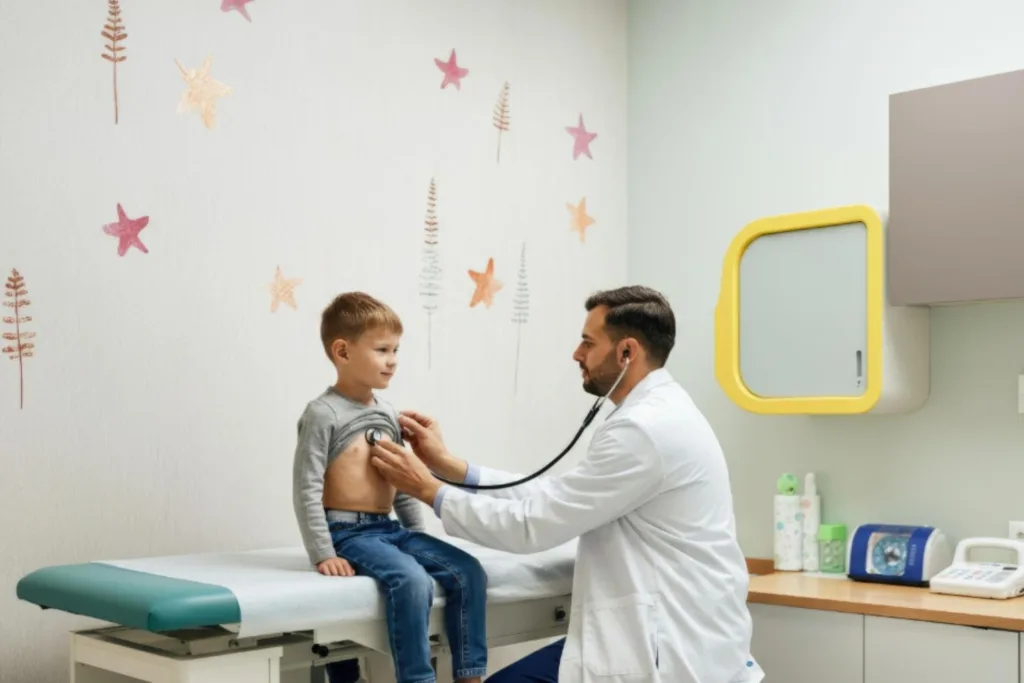
Book a pediatric consultation at Le Crest Hospital, Ghaziabad
For routine fever follow-up and other child-health concerns, explore Paediatrics & Neonatology, visit the Pediatrician in Ghaziabad page, or contact the hospital. You can also call +91 95825 78821 for hospital assistance.
Emergency reminder: a child with serious warning signs needs immediate assessment. Do not wait for a routine appointment, a WhatsApp reply or the next available outpatient slot.