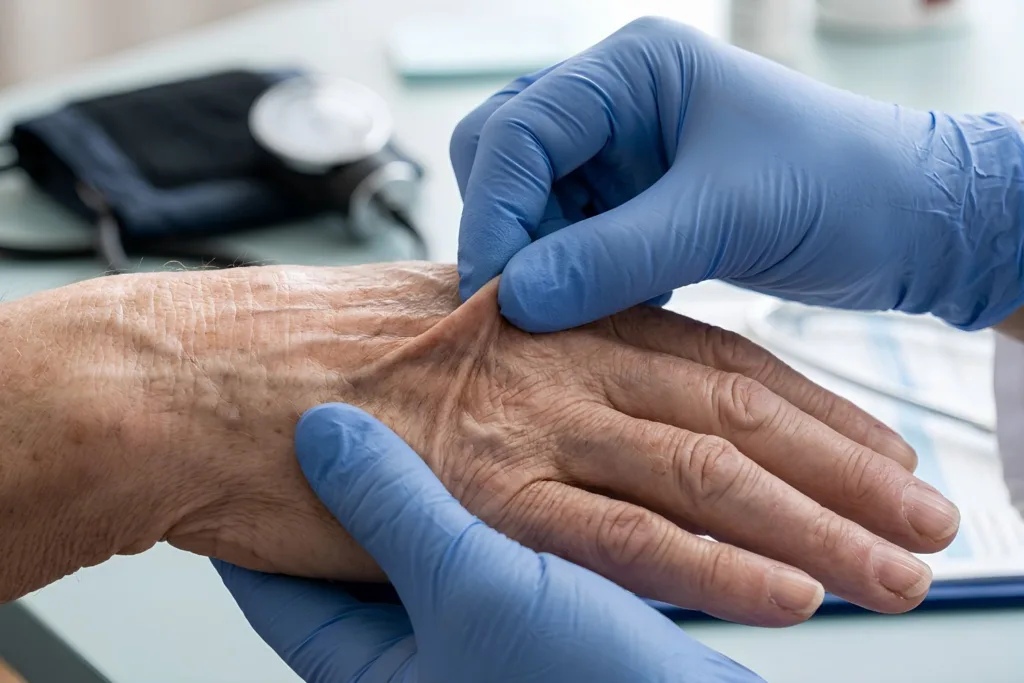
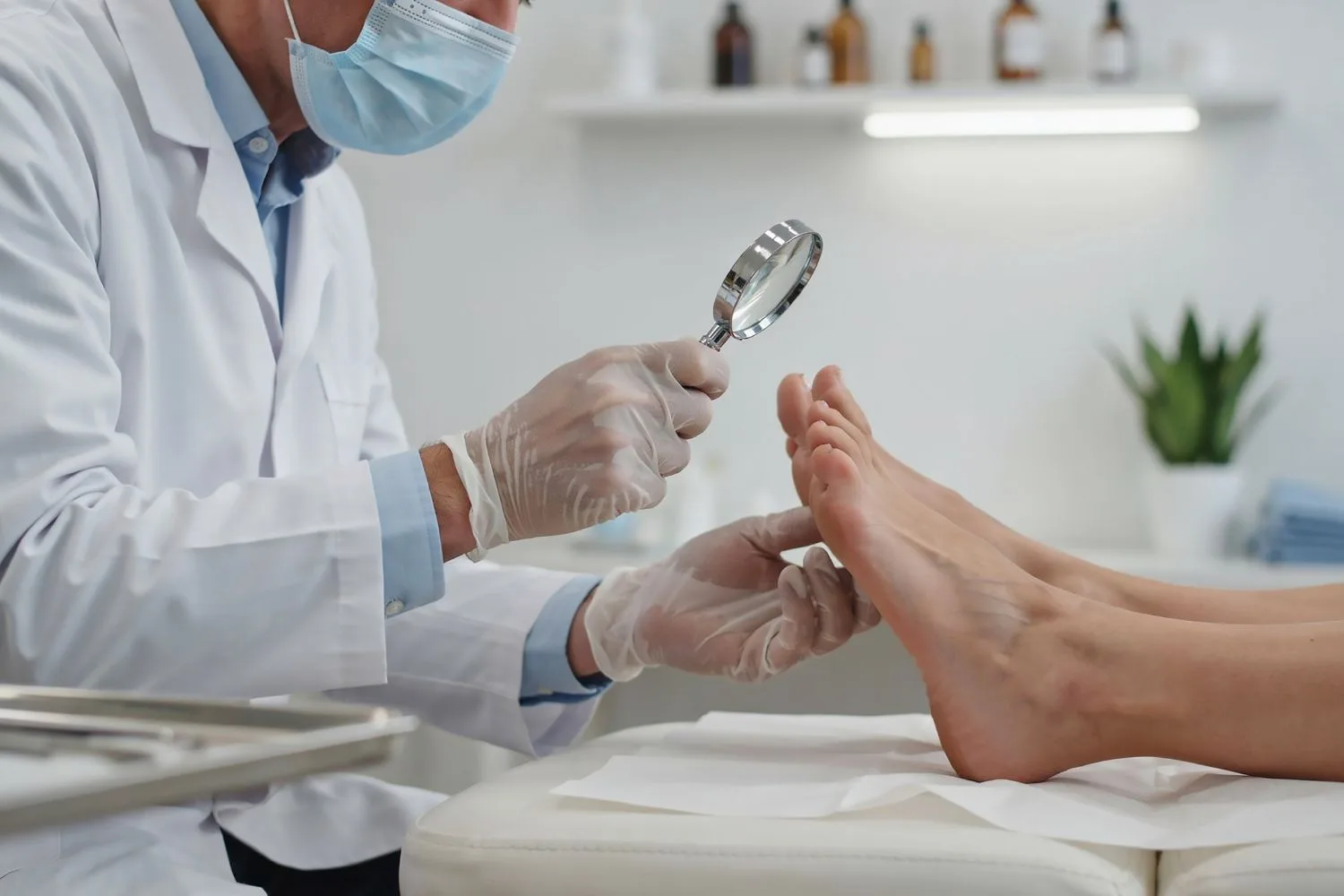
A red patch can look like a fungal rash, eczema or an irritated reaction. Small bumps may be acne, but they can also follow irritation or another skin condition. When people search for a Skin Doctor in Indirapuram, they often want help answering one simple question: “What is actually happening to my skin?” Getting that question right matters more than finding a powerful cream.
This guide compares three frequently confused problems-acne, fungal skin infection and eczema-without asking readers to diagnose themselves. Le Crest Hospital, based in Sector 4, Vasundhara near Indirapuram, provides Dermatology and Venereology consultations and can evaluate persistent skin concerns. The information below is educational; individual diagnosis depends on a clinician’s assessment.
Why a Rash Should Not Be Treated Only by Its Colour
Redness is an immune and vascular response that can arise from inflammation, infection, friction and many other processes. Brown or darker patches may be left after inflammation, especially in some skin types. Itching is likewise nonspecific. Even the same medical condition can look different on different skin tones or body areas.
A useful skin history includes the location of the rash, how quickly it developed, whether it is spreading, recent products or medicines, sweating or exposure patterns, and whether people around you have similar symptoms. A skin doctor also examines the border, texture, scale and other features. Photos captured before treatment can sometimes help when the symptoms change from day to day.
Acne: Clues That Suggest Blocked Follicles and Inflammation
Acne commonly causes blackheads, whiteheads, inflamed bumps and sometimes deeper painful nodules. It may involve the face, chest, back or shoulders. Hormonal changes, skin characteristics and products can affect severity; acne is not proof of poor hygiene. Aggressive scrubbing may worsen irritation rather than clear clogged pores.
Basic care often starts with a gentle cleanser, suitable moisturiser and non-comedogenic products. A dermatologist may recommend specific acne treatments based on the severity and previous response. Deep lesions and scarring are reasons not to delay professional assessment. It can take time to judge a treatment fairly, so changing products every few days usually makes outcomes harder to interpret.
Fungal Rash: Why Confirmation Is Helpful
Some fungal skin infections produce itchy, scaly areas and may develop a ring-like outline. Others involve moist skin folds, feet or other body regions. Heat, sweating and occlusion can contribute to symptoms, but those factors are not enough to confirm that a rash is fungal. Eczema and other rashes can resemble a fungal infection.
A doctor may diagnose the condition clinically or use an appropriate test when there is uncertainty. This matters because treatment for fungal infection differs from treatment for inflammatory dermatitis. Repeatedly using a steroid-containing combination product without a diagnosis may temporarily change the appearance of some infections, making later evaluation more difficult.
Eczema: Itch, Dryness and Skin-Barrier Problems
Eczema often causes itching, dryness and recurrent inflamed areas. It may flare after exposure to irritants, changes in weather or other triggers, although not every patient can identify a single cause. Scratching can further damage the skin barrier and perpetuate the itch cycle. Cracked skin can also become painful and occasionally develop secondary infection.
A dermatologist may discuss consistent moisturising, avoidance of relevant irritants and medicines when needed. The choice of product and treatment strength depends on the body area, age, severity and other clinical details. The goal is usually good long-term control, not an unrealistic promise that every flare can be permanently prevented.
Comparing the Three Without Self-Diagnosing
Acne is more likely to present with comedones or acne-type inflamed follicles. A fungal rash may feature scaling with a more prominent edge in some cases. Eczema frequently involves itch and dry, inflamed skin, often with a history of recurrence. These are patterns, not rules, and other conditions can imitate each of them.
A rash around the mouth, scalp or groin needs more careful context than a simple internet checklist can provide. A new medicine, a widespread eruption or a rash with fever can change the urgency of assessment. If you are uncertain, avoid combining multiple prescription creams at home to “cover everything.” It is more useful to have the skin examined.
Common Mistakes That Can Make Skin Problems Worse
The first mistake is using a medicine recommended for somebody else’s skin. Their diagnosis, skin type and medical history may be different. The second is using harsh exfoliation on inflamed areas. The third is stopping or changing prescribed treatment without understanding the expected time to response. Another common issue is applying strong steroid or bleaching preparations to the face without professional advice.
Keeping products simple before an appointment can help a clinician see the pattern more clearly. If you suspect an adverse reaction to a product, stop using the suspected item and seek appropriate advice. Do not use home acids, abrasive methods or unregulated mixtures to try to remove persistent marks or lesions.
When Is a Skin Problem Urgent?
A localised mild rash may be suitable for routine evaluation, but some presentations are emergencies. Difficulty breathing, swelling of the lips or throat, rapidly spreading blistering, widespread skin peeling or a rash accompanied by serious systemic illness needs urgent assessment. A painful red area that spreads quickly, especially with fever, also warrants prompt medical evaluation.
Be particularly cautious about a rash that develops after starting a new medicine, a painful eye rash or signs of infection around the eyes. Children, older adults, people with impaired immunity and individuals with other significant conditions may need earlier assessment. Online skincare advice should never delay emergency medical care.
Why Dark Marks May Remain After a Rash Clears
After acne, eczema or other inflammation, the skin can develop post-inflammatory colour change. The mark may last longer than the active condition. Trying to remove it aggressively while inflammation continues may cause further irritation. Treatment therefore often begins with controlling the underlying problem and maintaining suitable skin care.
Sun protection can help prevent some marks from becoming more noticeable, depending on the condition. Peels or laser procedures are not universally necessary or suitable. If a patch is changing in an unusual way, the doctor should assess it rather than treating it automatically as a simple cosmetic mark.
Scalp Rashes, Dandruff and Hair Concerns
The scalp can also develop inflammatory or infectious conditions that cause itching, scaling and sometimes hair shedding. Dandruff-like symptoms, psoriasis and other scalp problems are not identical. The presence of pain, patches of hair loss, broken hair or signs of infection should be communicated during assessment.
Avoid experimenting with several strong treatments on an irritated scalp. A clinician may recommend scalp-specific examination and treatment suited to the diagnosis. Some hair conditions require a different pathway from routine dandruff care, which is why a specific pattern of hair loss should not be dismissed.
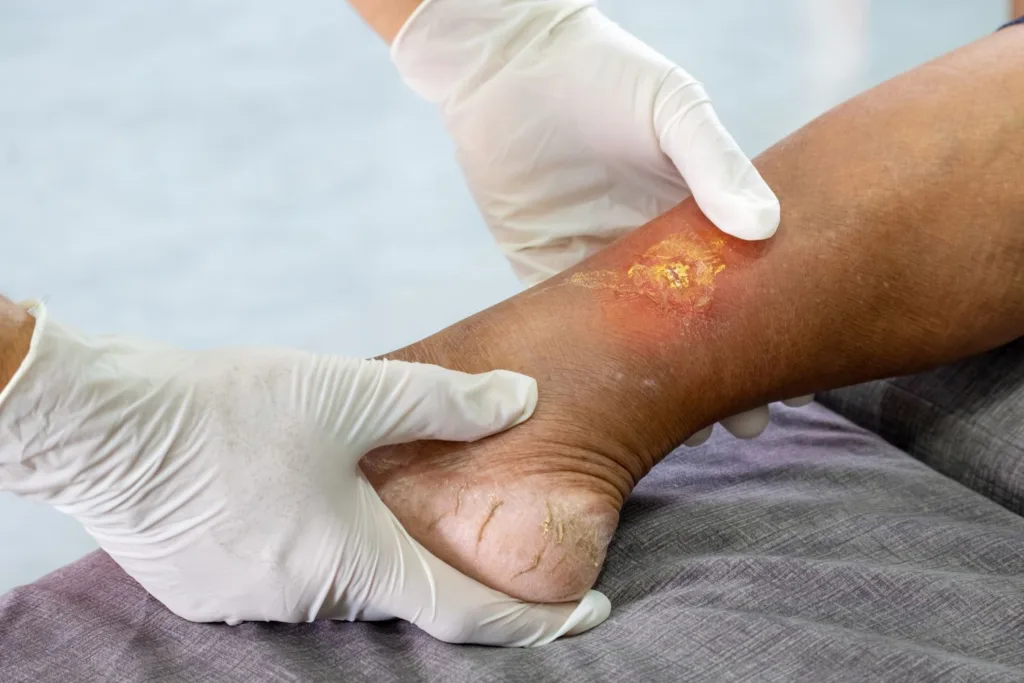
What a Skin Doctor May Ask at Your Visit
Expect questions about how long the condition has been present, previous treatments, family or personal skin history, medicines and new exposures. The doctor may examine more than the one visible patch because the distribution helps distinguish conditions. Depending on findings, they may recommend a treatment trial, follow-up or a suitable investigation.
It is sensible to ask what diagnosis is most likely, what else might explain the symptoms, exactly how to use prescribed medicines and which side effects matter. Also ask when a lack of improvement should trigger reassessment. Clear instructions can help reduce the cycle of repeated self-treatment and unnecessary product switching.
Skin Care Available Near Indirapuram
Le Crest Hospital’s Dermatology Department lists acne care, management of inflammatory skin disorders, skin allergies, hair and scalp care, venereology and selected cosmetic treatments. Its public doctor directory lists Dr. Varun Sharma (MBBS, MD Dermatology/DVL), Dr. Amit Verma (MD listed) and Dr. Shymol. Confirm doctors’ current schedules before booking.
The hospital in Ghaziabad is located at Budh Chowk, Sector 4, Vasundhara, Ghaziabad, rather than inside Indirapuram. Patients from Nyay Khand, Niti Khand, Shakti Khand, Gyan Khand, Ahinsa Khand, Vaibhav Khand, Abhay Khand and surrounding societies can enquire about consultations.
Get an Answer Before Trying Another Cream
If a rash persists, spreads, returns or is affecting sleep and daily life, the useful next step is a proper examination, not another unsupervised product. A skin doctor can clarify the likely cause and recommend appropriate treatment and follow-up. For appointment details, contact Le Crest Hospital’s Dermatology Department. Urgent warning signs require immediate medical attention.
Frequently Asked Questions
1. Can a fungal rash and eczema look alike?
Yes. Some features overlap, and the treatments may differ significantly. A clinician can assess the pattern and decide whether testing is necessary.
2. Are all small facial bumps acne?
No. Several inflammatory and follicular conditions can cause bumps. Diagnosis should consider their pattern and accompanying symptoms.
3. Why does an itchy rash return after applying a cream?
The diagnosis may be incorrect, treatment may be unsuitable or short, or a trigger may still be present. Reassessment is advisable.
4. Should I scrub acne-prone skin frequently?
Harsh scrubbing can worsen irritation. A gentler routine is generally preferable, with treatment based on the acne type.
5. Are steroid combination creams safe for any rash?
No. Use only as directed by an appropriate clinician because indications and side effects depend on the diagnosis.
6. Can a skin infection cause dark patches?
Inflammation from different causes may leave colour changes. The active condition should be assessed first.
7. Does a skin doctor treat scalp itching?
Yes. Dermatology includes conditions affecting hair and scalp, although the exact cause must be identified.
8. Can I see a skin doctor near Indirapuram at Le Crest Hospital?
Yes. The hospital’s dermatology service is in Sector 4, Vasundhara; confirm the current appointment schedule in advance.