Skin problems are not always just cosmetic concerns. Persistent acne, recurring fungal infections, unexplained itching, pigmentation, hair fall, scalp problems, or nail changes may sometimes require a proper medical evaluation rather than repeated use of over-the-counter products.
If you are looking for a Dermatologist in Ghaziabad, Le Crest Hospital in Sector 4, Vasundhara provides dermatology consultations for skin, hair, scalp and nail conditions. Its Dermatology and Venereology Department follows a personalised approach, in which treatment decisions are based on the patient’s symptoms, medical history, clinical examination and individual needs. Le Crest Hospital is a 250-bed Super-speciality Hospital in Ghaziabad with multidisciplinary and diagnostic support available under one roof.
What Does a Dermatologist in Ghaziabad Treat?
A Skin Doctor in Ghaziabad can evaluate and manage conditions such as acne, eczema, psoriasis, pigmentation, melasma, fungal infections, allergies, itching, hair loss, dandruff, scalp disorders, nail problems and unusual skin lesions.
Dermatologists specialise in diseases affecting the skin, hair and nails and conditions such as acne, eczema, psoriasis and hair loss commonly fall within their scope of care.
At Le Crest Hospital, the aim is not simply to treat visible symptoms. The dermatologist first works to understand the nature and possible cause of the condition so that an appropriate, personalised treatment plan can be recommended.
Meet the Dermatologists at Le Crest Hospital
Le Crest Hospital’s current doctor directory lists three doctors under its Department of Dermatology.
Dr. Varun Sharma
MBBS, MD Dermatology
DVL – Dermatology, Venereology & Leprosy
Consultant Dermatologist
Dr. Varun Sharma is listed as a Consultant Dermatologist at Le Crest Hospital. His qualifications are specifically displayed in the hospital’s official doctor directory.
Patients experiencing recurring or persistent skin, hair, scalp, or nail problems can seek a dermatological evaluation so that treatment can be planned based on the clinical diagnosis rather than relying on trial-and-error skincare.
Dr. Amit Verma
MD
Department of Dermatology
Dr. Amit Verma is also listed in the Department of Dermatology at Le Crest Hospital. Patients should confirm their latest consultation schedule and availability while booking an appointment.
Dr. Shymol
Department of Dermatology
Dr. Shymol is listed under the hospital’s Department of Dermatology. As additional qualification details are not currently displayed in the public directory, patients may confirm the latest doctor profile and OPD schedule directly with the hospital.
What Happens During a Dermatology Consultation?
When patients visit a Skin Specialist in Ghaziabad, the consultation should begin with understanding the problem rather than immediately prescribing the same treatment for everyone.
1. Understanding Your Symptoms
The dermatologist may ask when the condition started, whether it is getting worse, whether similar problems have occurred before and which medicines, creams, cosmetics or treatments have already been used.
Relevant allergies, ongoing medical conditions and medications may also be discussed.
2. Clinical Examination
Depending on the concern, the dermatologist may examine the affected skin, scalp, hair or nails. The pattern, distribution and severity of symptoms can provide important information for diagnosis.
For example, dermatologists evaluating psoriasis commonly examine the skin, nails and scalp for characteristic signs.
3. Investigations When Required
Not every skin problem requires laboratory testing. However, when symptoms are unclear, recurring or possibly connected with another medical condition, appropriate investigations may be recommended.
Being part of a multispeciality hospital allows Le Crest Hospital’s dermatology team to coordinate with other departments and access diagnostic, laboratory and pharmacy support when clinically necessary.
4. Personalised Treatment Planning
Treatment is selected based on factors such as the diagnosis, severity, age, medical history, affected area, previous treatments and individual response.
5. Follow-Up and Treatment Adjustment
Some dermatological conditions, particularly acne, eczema, psoriasis, pigmentation and hair loss, may require follow-up rather than a single consultation. Treatment may be reviewed and adjusted depending on progress.
Acne and Recurrent Pimples
Acne is one of the most common reasons patients look for a Dermatologist in Ghaziabad.
Occasional pimples may settle with basic skincare, but a medical evaluation is more useful when acne is persistent, painful, repeatedly inflamed, or beginning to leave marks or scars.
Instead of frequently changing face washes, serums, or internet-recommended treatments, a dermatologist can assess the type and severity of acne and recommend appropriate treatment.
This matters because acne management is not identical for every patient.
Pigmentation, Melasma and Uneven Skin Tone
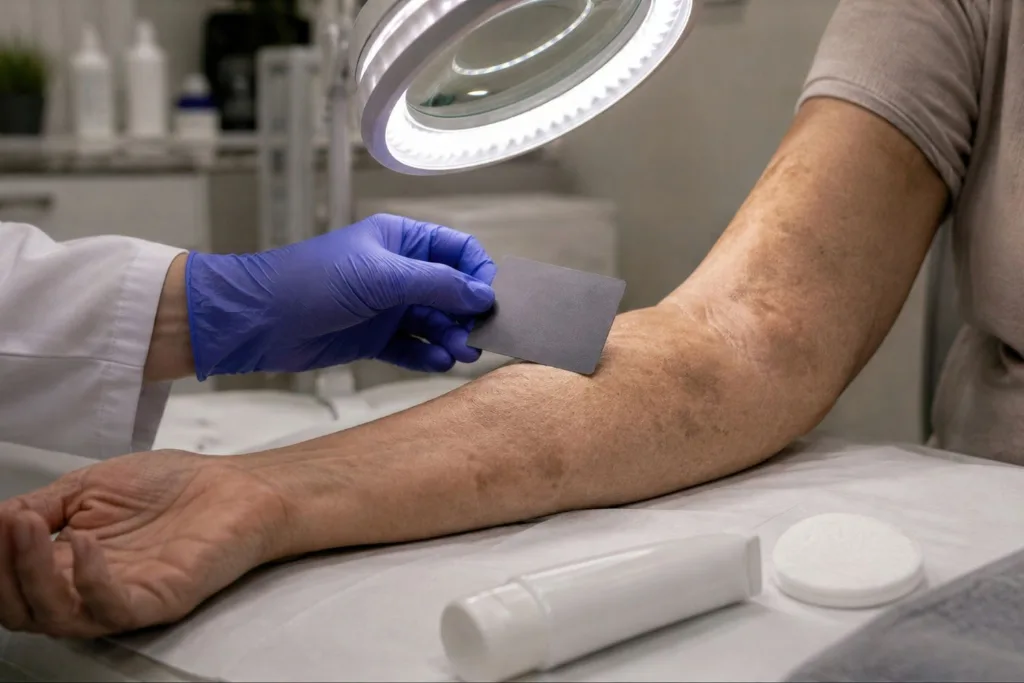
Dark patches, melasma and uneven skin tone can have different causes and triggers. Simply using stronger “brightening” products without understanding the condition may not address the underlying issue and can sometimes irritate sensitive skin.
A Skin Specialist in Ghaziabad can examine the pigmentation pattern, review how long it has been present and consider relevant triggers before recommending an appropriate approach.
Hair Fall, Dandruff and Scalp Conditions
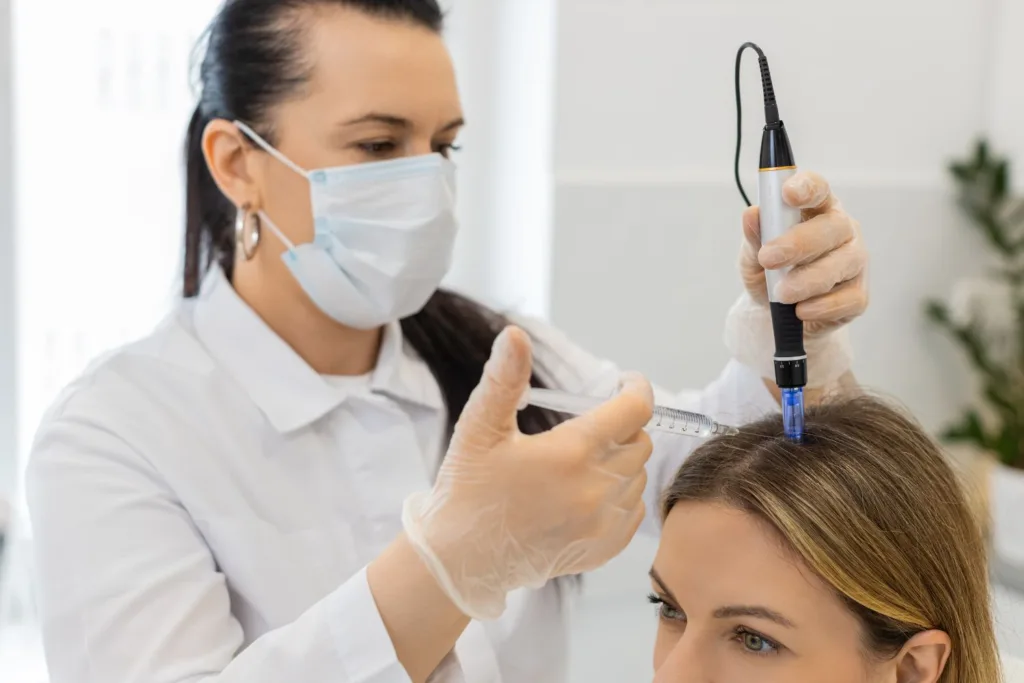
Hair fall does not always have one cause. Hereditary hair loss, scalp inflammation, medical conditions, nutritional issues and other factors may contribute to increased shedding in different patients.
The American Academy of Dermatology notes that multiple conditions and diseases can contribute to hair loss.
Dermatological evaluation can therefore be valuable when hair fall is sudden, excessive, patchy, associated with scalp symptoms or continuing for a prolonged period.
Fungal Infections, Skin Allergies and Itching
Recurring fungal infections and persistent itching should not automatically be treated with the same cream each time.
Fungal, inflammatory and allergic skin conditions can sometimes appear similar to patients but may require different treatment approaches.
A dermatologist can examine the affected area, evaluate the pattern of symptoms and determine whether additional tests or prescription treatment are appropriate.
Eczema and Psoriasis
Eczema can cause itchy, dry and inflamed skin, while psoriasis is a chronic condition in which skin cells build up more rapidly than normal, producing visible patches.
Both conditions may have periods when symptoms become worse or improve.
For patients experiencing repeated flare-ups, consultation with a dermatologist can help with symptom control, trigger identification, skincare guidance and longer-term management.
Nail Problems and Unusual Skin Changes
Changes in nail colour, thickness, texture or shape can sometimes be associated with fungal infections, inflammatory skin diseases or other conditions.
Similarly, patients should not ignore a mole, growth or skin lesion that changes noticeably.
MedlinePlus advises medical evaluation for moles or spots that change in size, shape, or colour; lesions that bleed or become scaly; painful moles; and sores that do not heal.
When Should You Seek Prompt Medical Attention?
Do not delay medical evaluation when you notice potentially concerning symptoms such as:
- A rapidly spreading or severe rash
- Painful blistering or open sores
- Significant facial or body swelling
- Signs of infection such as increasing redness, warmth or pus
- Fever occurring with a significant new rash
- A mole changing noticeably in size, shape or colour
- A skin growth that repeatedly bleeds
- A wound or sore that does not heal
- A severe skin reaction after starting a new medicine
Breathing difficulty or severe swelling associated with an allergic reaction should be treated as an emergency rather than waiting for a routine dermatology appointment.
Personalised Dermatology Care with Hospital-Based Support
Le Crest Hospital describes its Dermatology and Venereology Department as providing a holistic approach combining medical expertise with current technology. Its wider hospital infrastructure includes laboratory, diagnostic, pharmacy and multidisciplinary support.
Hospital-based dermatology can be especially helpful when a patient’s skin or hair symptoms may be connected with another medical concern or when additional investigation is required.
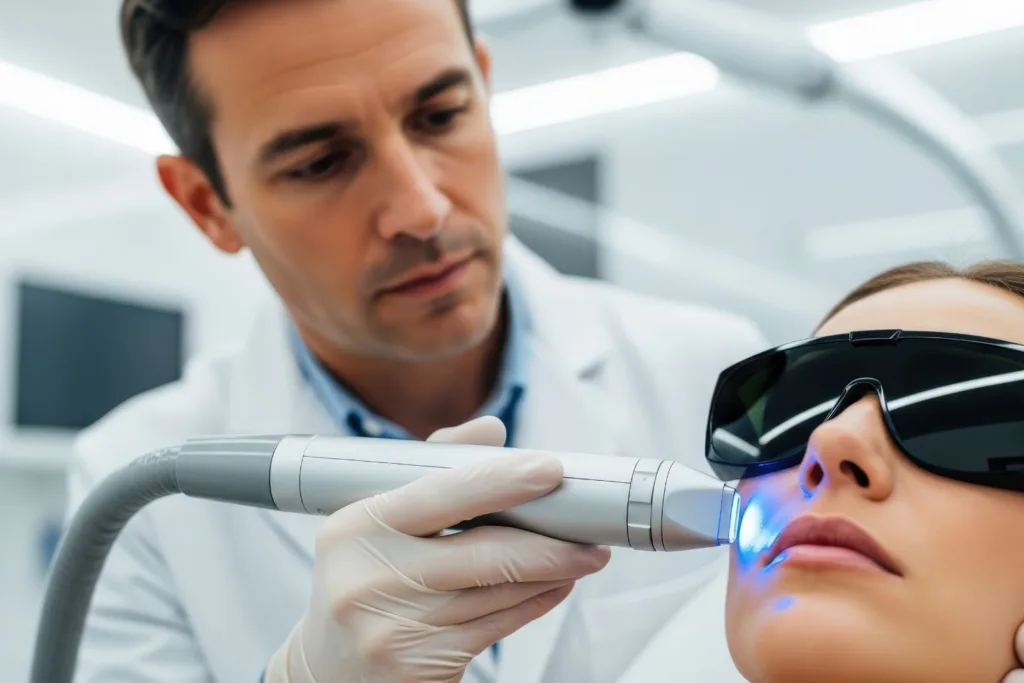
The hospital also publicly lists dermatology services extending beyond routine medical dermatology, including cosmetic dermatology and selected procedures. The current dermatology information should be reviewed during the consultation to determine which procedure, if any, is medically appropriate for the individual patient.
The emphasis should always remain on proper patient selection and dermatologist assessment rather than promising a particular cosmetic result.
Dermatologist for Vasundhara, Indirapuram, Vaishali and Ghaziabad
Le Crest Hospital is located at Budh Chowk, Plot No. 13, Maharaja Agarsain Marg, Sector 4, Vasundhara, Ghaziabad, Uttar Pradesh – 201012.
Its Vasundhara location makes dermatology consultations accessible to patients from across Ghaziabad and nearby NCR areas, including:
Vasundhara, Indirapuram, Vaishali, Kaushambi, Sahibabad, Mohan Nagar, Shalimar Garden, Raj Nagar, Raj Nagar Extension, Kavi Nagar, Patel Nagar, Nehru Nagar, Vijay Nagar, Pratap Vihar, Crossings Republik, Govindpuram, Dasna and surrounding Ghaziabad localities.
The hospital’s own location information specifically identifies accessibility from areas including Vasundhara, Vaishali, Indirapuram, Kaushambi, Sahibabad, Raj Nagar Extension, Vijay Nagar and Crossings Republik.
Why Choose Le Crest Hospital for Skin Care in Ghaziabad?
Patients searching online for a Skin Doctor in Ghaziabad should look beyond terms such as “best dermatologist” and consider factors that genuinely influence the quality of medical care.
These include:
- Verified dermatologist qualifications
- Proper clinical evaluation before treatment
- Personalised treatment planning
- Clear explanation of the diagnosis and available options
- Appropriate diagnostic support
- Follow-up for chronic or recurring problems
- Access to other specialists if required
- Transparent, ethical medical advice
Le Crest Hospital is a 250-bed NABH-accredited super-speciality hospital in Vasundhara and provides dermatology as part of a wider multidisciplinary healthcare setup.
Consult a Dermatologist in Ghaziabad at Le Crest Hospital
If you are experiencing persistent acne, increased hair fall, recurrent fungal infections, troublesome pigmentation, itching, eczema, psoriasis, scalp symptoms, nail changes, or an unexplained skin lesion, a professional evaluation can help identify the problem and guide the next step.
At Le Crest Hospital, dermatology care is designed around individual assessment rather than a one-treatment-fits-all approach.
Patients can consult Dr. Varun Sharma, Dr. Amit Verma or Dr. Shymol through the hospital’s Dermatology Department. Current OPD timings and doctor availability should be confirmed when booking. Book An Appointment Here.
Frequently Asked Questions About Dermatologists in Ghaziabad
1. Who is a Dermatologist in Ghaziabad at Le Crest Hospital?
Le Crest Hospital currently lists Dr. Varun Sharma, Dr. Amit Verma and Dr. Shymol under the Department of Dermatology. Dr. Varun Sharma is listed as an MBBS, MD in Dermatology (DVL) and Consultant Dermatologist.
2. What conditions can a Skin Doctor in Ghaziabad treat?
Dermatologists evaluate skin, hair and nail conditions such as acne, eczema, psoriasis, fungal infections, pigmentation, allergies, hair loss, dandruff, scalp disorders, nail abnormalities and unusual skin lesions.
3. Should I visit a dermatologist for recurring acne?
A dermatology consultation may be appropriate when acne repeatedly returns, becomes painful or inflamed, fails to improve with basic skincare, or begins causing marks or scarring.
4. Which doctor should I consult for excessive hair fall?
A dermatologist is an appropriate specialist for evaluating many hair and scalp disorders. Because hair loss can have several causes, assessment is important before deciding on treatment.
5. Can a dermatologist treat pigmentation and melasma?
Yes. Dermatologists evaluate pigmentation disorders and can recommend treatment based on the type, pattern, triggers, skin characteristics and the patient’s medical history.
6. When should I consult a dermatologist about a mole?
Seek medical evaluation if a mole or skin spot changes noticeably in size, shape or colour, begins bleeding, becomes painful or looks significantly different from your other moles.
7. Does Le Crest Hospital provide personalised dermatology treatment?
The hospital describes its dermatology services as personalised and provides access to hospital-based diagnostic and multidisciplinary support. The actual treatment plan depends on the patient’s diagnosis and clinical assessment.