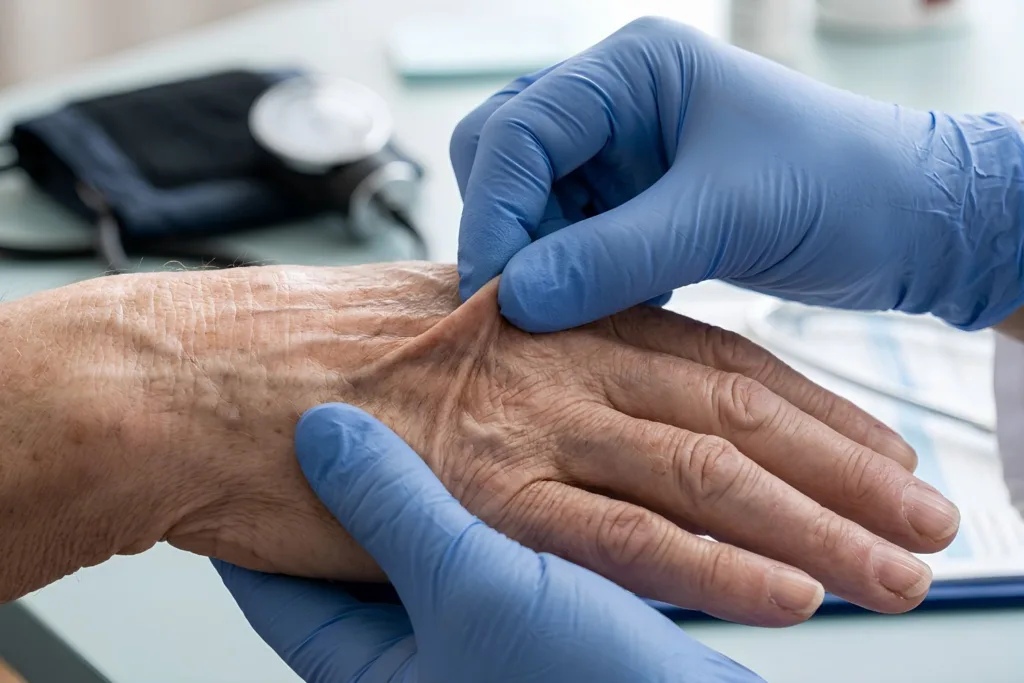

Many chronic diseases develop gradually and may not cause noticeable symptoms during their early stages. Conditions such as diabetes, high blood pressure, thyroid disorders, high cholesterol, liver disease and kidney disorders often remain undiagnosed until complications arise.
A Full Body Checkup is a preventive health screening designed to identify potential health problems before they become serious. Early diagnosis allows timely treatment, reduces the risk of complications and supports long-term health.
At Le Crest Hospital – A Super Speciality Hospital in Ghaziabad, comprehensive preventive health checkup packages combine advanced diagnostic testing with physician consultations to provide a detailed assessment of your overall health.
Whether you are scheduling your annual health screening, managing an existing medical condition, or assessing your health risks, preventive screening helps you make informed healthcare decisions.
What Is a Full Body Checkup?
A full body checkup is a comprehensive medical evaluation that includes laboratory investigations, imaging (when required), vital health assessments and a doctor’s consultation.
The objective is to:
- Detect diseases before symptoms appear
- Evaluate organ function
- Identify nutritional deficiencies
- Assess heart health
- Screen for metabolic disorders
- Monitor existing health conditions
- Recommend preventive lifestyle changes
Unlike tests performed after an illness develops, preventive health screening focuses on maintaining good health and reducing future medical risks.
Why Is Preventive Health Screening Important?
Many common diseases progress silently for years.
Examples include:
- Diabetes
- Hypertension
- Fatty liver disease
- Kidney disease
- High cholesterol
- Thyroid disorders
- Vitamin deficiencies
Early detection offers several benefits:
- Earlier treatment
- Better treatment outcomes
- Lower healthcare costs
- Reduced risk of complications
- Improved quality of life
According to preventive healthcare recommendations, routine health checkups become increasingly important after the age of 30, especially for individuals with lifestyle-related risk factors or a family history of chronic diseases.
Who Should Get a Full Body Checkup?
Preventive health screening is recommended for:
Adults Above 30 Years
Routine monitoring helps identify early metabolic and lifestyle-related diseases.
Working Professionals
Long working hours, stress, irregular meals and limited physical activity increase the risk of:
- Diabetes
- High blood pressure
- Obesity
- Heart disease
Senior Citizens
Older adults benefit from regular monitoring of:
- Heart health
- Kidney function
- Liver function
- Bone health
- Blood sugar
- Vitamin levels
Individuals with a Family History of Disease
People with a family history of:
- Diabetes
- Hypertension
- Heart disease
- Thyroid disorders
- Kidney disease
may require more frequent screening.
People Experiencing Persistent Symptoms
Consider a medical evaluation if you experience:
- Fatigue
- Weight changes
- Frequent infections
- Excessive thirst
- Low energy
- Poor immunity
What Does a Full Body Checkup Include?
The exact investigations vary depending on the health package and your doctor’s recommendations.
1. Complete Blood Count (CBC)
A CBC evaluates overall blood health and helps detect:
- Anemia
- Infection
- Inflammation
- Blood disorders
2. Diabetes Screening
Typically includes:
- Fasting Blood Sugar (FBS)
- Post-Prandial Blood Sugar (PPBS)
- HbA1c
These tests help diagnose diabetes and monitor long-term blood sugar control.
3. Liver Function Test (LFT)
Evaluates liver health by measuring:
- Liver enzymes
- Bilirubin
- Albumin
- Protein levels
LFTs help identify liver inflammation, fatty liver disease, hepatitis and other liver disorders.
4. Kidney Function Test (KFT)
Assesses kidney health through:
- Serum Creatinine
- Blood Urea
- Uric Acid
- Electrolytes
Early kidney disease often develops without symptoms, making routine screening valuable.
5. Lipid Profile
Measures cholesterol levels, including:
- Total Cholesterol
- HDL
- LDL
- Triglycerides
This assessment helps estimate cardiovascular risk.
6. Thyroid Function Tests
Evaluates thyroid hormone levels to detect:
- Hypothyroidism
- Hyperthyroidism
- Metabolic disorders
7. Heart Health Evaluation
Depending on age and risk factors, screening may include:
- ECG
- Blood Pressure Measurement
- Cardiac Risk Assessment
These tests help identify early cardiovascular concerns.
8. Vitamin and Nutritional Assessment
Testing may include:
- Vitamin D
- Vitamin B12
- Calcium
These deficiencies commonly contribute to:
- Fatigue
- Muscle weakness
- Bone pain
- Reduced immunity
9. Urine Examination
Urinalysis helps identify:
- Urinary tract infections
- Kidney disorders
- Diabetes-related abnormalities
10. Imaging Studies (If Recommended)
Depending on clinical needs, imaging may include:
- Chest X-ray
- Ultrasound Abdomen
- Additional diagnostic imaging when medically indicated

Why Is a Doctor Consultation Important After Your Health Checkup?
Receiving test reports is only the first step.
A physician consultation helps:
- Explain every test result
- Identify potential health risks
- Recommend lifestyle modifications
- Suggest dietary improvements
- Determine whether additional investigations are needed
- Plan follow-up care when necessary
This ensures your health screening results translate into meaningful preventive care rather than simply receiving laboratory reports.
Common Conditions Detected During Preventive Health Checkups
Routine screening frequently identifies:
- Diabetes
- Prediabetes
- Hypertension
- High cholesterol
- Fatty liver disease
- Thyroid disorders
- Kidney dysfunction
- Vitamin deficiencies
- Anemia
- Early cardiovascular risk
Many of these conditions can be effectively managed when detected early.
Benefits of Annual Full Body Checkups
Regular preventive screening helps:
- Detect disease before symptoms appear
- Monitor chronic medical conditions
- Reduce long-term healthcare costs
- Improve treatment success
- Encourage healthier lifestyle choices
- Track changes in health over time
Annual checkups provide a valuable baseline for future medical comparisons.
Full Body Checkup for Working Professionals
Busy schedules often result in delayed medical care.
Executive health checkups are particularly useful for professionals experiencing:
- Long working hours
- Sedentary lifestyle
- Workplace stress
- Poor sleep
- Irregular eating habits
Early screening can identify lifestyle-related health risks before they become chronic illnesses.
Full Body Checkup for Senior Citizens
As people age, routine monitoring becomes increasingly important.
Comprehensive health screening for older adults may include evaluation of:
- Heart function
- Blood sugar
- Kidney function
- Liver health
- Bone health
- Vitamin deficiencies
- Blood pressure
- Thyroid function
Personalized care plans help maintain independence and overall well-being.
Why Choose Le Crest Hospital for a Full Body Checkup in Ghaziabad?
Le Crest Hospital provides preventive healthcare through an integrated approach that combines diagnostics with physician-led clinical evaluation.
Patients benefit from:
- Comprehensive preventive health packages
- Experienced physicians
- Advanced diagnostic laboratory
- Modern imaging facilities
- Personalized health consultations
- Timely reporting
- Evidence-based medical guidance
- One-stop diagnostic and specialist care
The focus is on early detection, prevention and long-term health management.
Areas Served
Le Crest Hospital provides preventive health screening services for individuals from:
- Indirapuram
- Vaishali
- Vasundhara
- Kaushambi
- Raj Nagar Extension
- Crossings Republik
- Sahibabad
- Vijay Nagar
- Shalimar Garden
- Mohan Nagar
- Wave City
- Noida Extension
- Greater Noida West
- East Delhi
- Nearby NCR regions
How Often Should You Get a Full Body Checkup?
General recommendations include:
18–30 years – Every 2–3 years (if healthy)
30–40 years – once every year
Above 40 years – every 6–12 months
Diabetes, hypertension, obesity, thyroid disease as advised by your physician
The frequency may vary depending on your medical history, family history, lifestyle and existing health conditions.
Preparing for Your Full Body Checkup
To ensure accurate results:
- Follow fasting instructions if provided.
- Carry previous medical reports and prescriptions.
- Inform the doctor about current medications.
- Stay well hydrated unless instructed otherwise.
- Wear comfortable clothing if imaging tests are planned.
Conclusion
Preventive healthcare plays a vital role in maintaining long-term health. Many chronic conditions – including diabetes, hypertension, thyroid disorders, kidney disease and heart disease-can often be identified before symptoms develop through routine health screening.
A comprehensive Full Body Checkup at Le Crest Hospital combines laboratory investigations, diagnostic imaging (when indicated) and physician consultation to provide a thorough assessment of your health. Early detection enables timely intervention, supports healthier lifestyle choices and reduces the risk of future complications.
Scheduling regular preventive health checkups is a proactive step toward protecting your health and improving your overall quality of life.

Frequently Asked Questions (FAQs)
1. What is included in a full-body checkup?
A comprehensive health checkup generally includes blood tests, diabetes screening, liver and kidney function tests, lipid profile, thyroid tests, urine analysis, blood pressure assessment, heart evaluation, imaging (when required) and a doctor’s consultation.
2. At what age should I start getting annual health checkups?
Most healthcare professionals recommend annual preventive health screenings starting at age 30. Individuals with chronic diseases or a family history of medical conditions may require earlier or more frequent screening.
3. How long does a full body checkup take?
Most preventive health checkups are completed within two to four hours, depending on the investigations included in the package.
4. Should I fast before a full-body checkup?
Yes. Many blood investigations, including fasting blood sugar and lipid profile, require 8–12 hours of fasting. Follow the instructions provided by your healthcare provider.
5. Can a full body checkup detect heart disease?
A preventive health screening can identify several cardiovascular risk factors, including high blood pressure, abnormal cholesterol levels, diabetes and ECG abnormalities. Additional cardiac tests may be recommended based on clinical findings.
6. How often should senior citizens undergo health screening?
Older adults generally benefit from annual or biannual health checkups, depending on their medical history and physician recommendations.
7. Why choose Le Crest Hospital for a Full Body Checkup in Ghaziabad?
Le Crest Hospital offers comprehensive preventive health screening supported by experienced physicians, modern diagnostic facilities, personalized consultations and integrated specialist care, helping patients make informed decisions about their long-term health.