
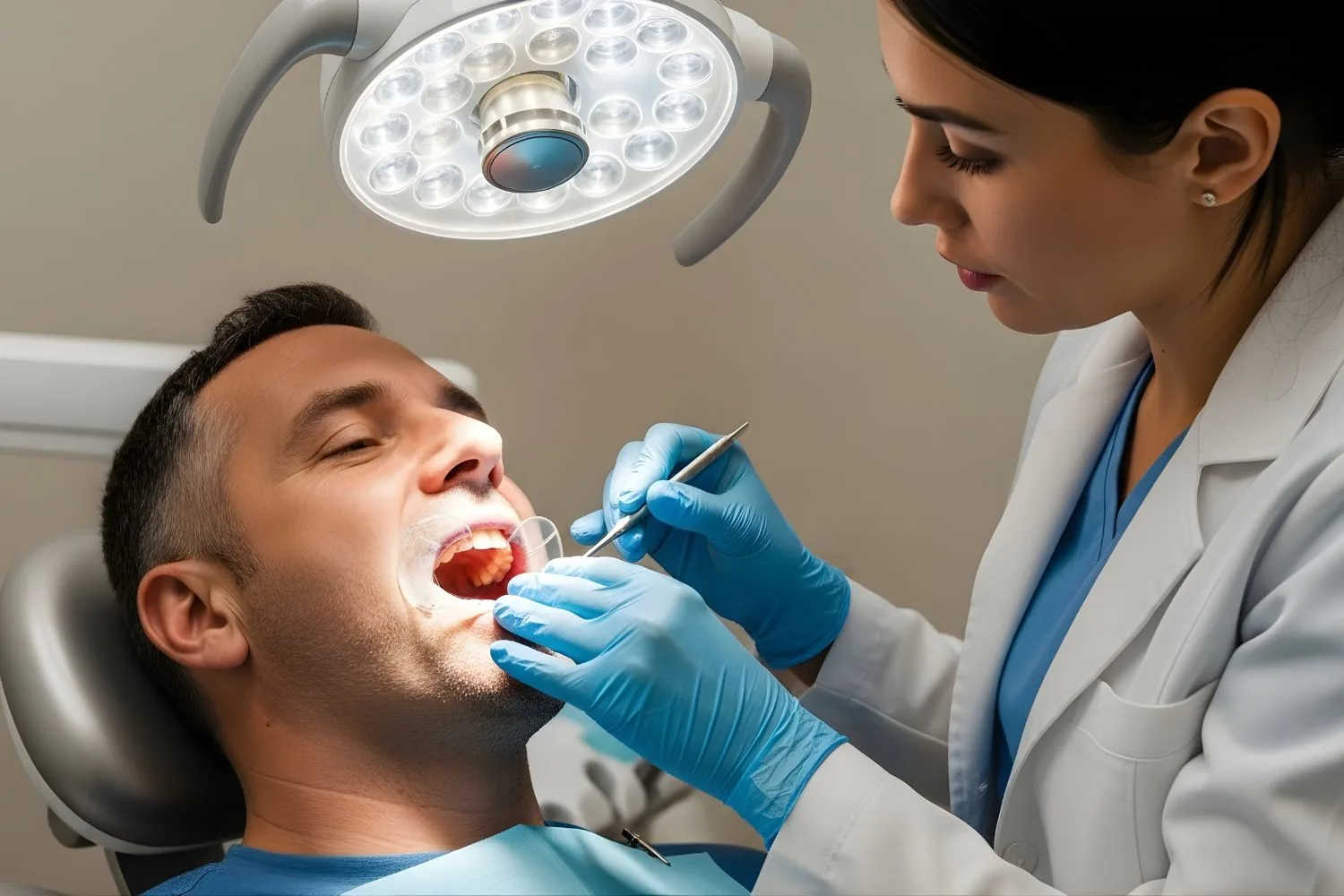
A toothache may start as sensitivity to cold water, sharp pain while chewing or a throbbing sensation that keeps you awake. The question patients often ask is, “Can the tooth be saved with a root canal, or does it need removal?” There is no safe answer without examining the tooth and, where indicated, taking an X-ray. Dentists generally consider whether enough healthy tooth remains, whether the supporting bone and gums are sound, the type of damage, the likelihood of successful restoration and the patient’s own needs.
For patients searching for a dentist in Vasundhara, Ghaziabad, Le Crest Hospital has a Dentistry & Implantology department at its Sector 4 facility. Its official directory lists Dr. Utkarsh Upadhyay (BDS, MPH), Dr. Nisha Joshi (BDS, Certified Endodontist) and Dr. Khushboo (Dental Surgeon) in Dental, Oral & Maxillofacial Surgery. Confirm the treating dentist’s schedule, qualifications, scope and availability of a particular procedure before booking. This guide explains practical treatment choices, urgent warning signs and aftercare questions without promising that one method is always superior.
Quick answer: when can a tooth be saved?
• Deep decay reaching the tooth’s pulp, but the tooth is restorable – Common consideration: Root canal treatment may be considered; What decides?: Remaining tooth structure, infection and support
• A severely fractured tooth extending below the gum or root – Common consideration: Extraction may be necessary; What decides?: Extent and location of the fracture
• Gum disease with major loss of supporting bone – Common consideration: Tooth prognosis may be poor; What decides?: Periodontal examination and imaging
• Sensitive tooth without pulp infection – Common consideration: A filling or another treatment may be enough; What decides?: Tests for sensitivity, cracks and decay
• Swelling or pus associated with a tooth – Common consideration: Prompt dental assessment and drainage/source treatment; What decides?: Severity of infection and tooth prognosis
• Wisdom tooth causing repeated problems – Common consideration: Monitoring or extraction depending on findings; What decides?: Position, symptoms and neighbouring structures
A root canal treats infection inside a tooth, while extraction removes the tooth. Neither should be selected solely on the basis of which sounds quicker. The NHS root canal guidance describes how an infected pulp can sometimes be treated to preserve a natural tooth.
Toothache causes and urgent warning signs
What causes tooth pain in the first place?
Common causes include tooth decay, cracked teeth, gum inflammation, exposed root surfaces, damaged fillings, dental abscesses and problems involving wisdom teeth. Cold sensitivity lasting only a moment may suggest a different issue from spontaneous throbbing pain that continues after a hot or cold drink. Pain when biting can occur with cracks, inflammation around the root or other dental problems. The location can be misleading: pain sometimes feels as if it comes from a neighbouring tooth, an ear or part of the jaw.
A dentist will consider when the pain began, whether it is triggered by temperature or chewing, whether there is swelling and whether you recently had dental work or an injury. Fever, facial swelling and difficulty opening the mouth change the urgency. Do not assume that pain stopping means the infection has healed; a severely damaged nerve can stop responding while infection remains. The goal is to identify the cause and remove or control it, not simply provide a painkiller for a few days.
When toothache is urgent or an emergency
Make a prompt dental appointment if pain lasts more than two days, persists despite suitable over-the-counter pain relief, interferes with sleep, causes swelling or occurs with a bad taste, tender gums or fever. The NHS toothache guidance advises dental evaluation in these situations. Go to an emergency department immediately if swelling affects breathing, swallowing or speaking, or spreads toward the eye or neck. Severe infection can sometimes extend beyond the tooth and requires urgent management.
While waiting for appropriate care, avoid chewing on the painful side and maintain gentle oral hygiene. A pharmacist or clinician can advise whether common pain relievers are safe for you, considering allergies, pregnancy, kidney disease, stomach problems and other medicines. Do not place aspirin directly onto the gum, attempt to drain a swelling yourself or take leftover antibiotics without a prescription. Antibiotics alone often do not eliminate the source of a dental infection; the responsible tooth or abscess needs proper dental treatment.
What happens at the first dental examination?
The dentist first asks about pain, recent dental work, medical conditions, medicines, allergies and relevant habits such as tooth grinding. They may inspect the tooth for decay, cracks or damaged restorations, gently assess gum health and perform tapping, biting or sensitivity tests. A dental X-ray may show changes around the root or loss of bone support that cannot be seen directly. Sometimes additional imaging or a second opinion is appropriate for a complex fracture, impacted tooth or unexplained pain. For problems involving the jaw or facial structures, Le Crest also has a Maxillofacial Surgery department; ask the treating clinician whether a specialist assessment is appropriate.
You should understand the provisional diagnosis, possible treatments and expected follow-up before agreeing to a procedure. Ask whether the tooth is restorable after infection has been treated, whether a crown or other final restoration will be needed and what happens if treatment is postponed. A good assessment can also identify when the problem is actually periodontal rather than inside the tooth. This distinction matters because root canal treatment alone cannot correct serious supporting-gum disease.
Root canal, extraction and replacement options
Root canal treatment: what it actually involves
Inside a tooth is soft tissue containing nerves and blood vessels, called the pulp. When the pulp becomes irreversibly inflamed or infected, root canal treatment may be used to remove the affected tissue and preserve the tooth’s outer structure. Under appropriate local anaesthesia, the dentist creates access, cleans and shapes the internal canals, disinfects them and seals the space. A temporary restoration may be used between visits, followed by a permanent filling or crown depending on the amount of remaining tooth structure and chewing demands.
The procedure may require more than one appointment, particularly in complex anatomy or infection. It is not accurate to promise that every root canal is completely painless or that every treated tooth will last forever. Some discomfort can occur afterward and complications or retreatment can be necessary. However, the aim is to resolve the source of infection while retaining a functional natural tooth. Ask the dentist to explain both the expected prognosis and the restoration needed after the root canal; failing to protect a weakened tooth can create future problems.
When extraction may be the safer choice
A tooth may need removal when it is too badly damaged to restore, has a fracture extending into the root, suffers severe loss of periodontal support or has a poor long-term prognosis despite appropriate treatment. Sometimes repeated infections, problematic wisdom-tooth positioning or a patient’s broader treatment plan influence the decision. Removing a tooth may be relatively straightforward or may need a surgical approach, depending on its roots, position and surrounding anatomy. The dentist should describe likely pain management, bleeding risks and recovery expectations.
Extraction ends the possibility of saving that particular tooth, so patients should understand whether preserving it is realistically feasible. Equally, repeatedly attempting expensive procedures on a tooth with little chance of success may not be in the patient’s interest. If the recommendation seems unclear, ask what diagnostic findings support it and whether an endodontic or periodontal opinion could change the plan. Decisions are strongest when they consider function, future maintenance and patient preference rather than only the immediate appointment cost.
Root canal vs extraction: long-term considerations
Preserving a natural tooth can support chewing and maintain an existing bite, but it may require a well-sealed permanent restoration and future dental checks. Extraction can relieve problems from an unsalvageable tooth, but the resulting gap may affect nearby teeth or chewing, especially if several teeth are missing. The replacement plan may involve an implant, bridge, denture or sometimes no immediate replacement depending on the tooth and overall bite. These options have different biological and financial considerations.
Ask for a full plan rather than comparing the quoted cost of a root canal with the extraction fee alone. A root canal followed by a crown has different total costs from extraction followed by an implant or bridge. Implant treatment also depends on bone, gums, medical history and professional assessment; it is not automatically suitable for everyone. You should understand both treatment costs and the future work that may be necessary. This is particularly important for residents comparing dental clinics across Vasundhara, Vaishali and Indirapuram.
What does a dental abscess feel like?
An abscess is a collection of pus associated with infection. Signs can include throbbing pain, swelling, tenderness, pain when chewing, an unpleasant taste or sometimes a visible gum swelling. Some abscesses drain intermittently and become less painful, creating false reassurance. Fever, increasing facial swelling or difficulty opening the mouth warrants urgent review. A clinician may need to drain an abscess, treat the responsible root canal or remove the tooth, depending on the source and prognosis.
Do not squeeze, puncture or heat a facial swelling at home. An infection near the lower jaw, tongue or neck is particularly concerning if it affects swallowing, speech or breathing. Antibiotics may sometimes be necessary when infection spreads or there are systemic symptoms, but definitive dental treatment is usually required to address the origin. Tell the dentist about diabetes, immune suppression or medicines that affect infection risk. Good care includes documenting improvement and arranging follow-up when there is concern about spread or recurrence.
What if a cracked tooth hurts while biting?
Cracks vary from superficial lines in enamel to deeper fractures extending through the crown or root. A small crack may be managed with a restoration or other protective measure, while a crack reaching the pulp may require root canal treatment if the tooth is still restorable. A vertical root fracture or a split tooth can make preservation unlikely. Symptoms alone cannot reveal the crack’s depth; tests, magnification and imaging may help, although some fractures remain difficult to identify.
Tell your dentist if biting on a particular cusp causes sudden sharp pain or if the tooth has a large old filling. Grinding, heavy chewing forces and trauma can contribute. Avoid repeatedly testing the painful bite by clenching hard. If a tooth breaks, retain any loose fragment if safe and seek dental advice. Treatment selection should balance expected durability, location in the mouth, gum support and how the final restoration will protect the tooth.
Dental implants, bridges and dentures after extraction
A dental implant replaces a missing tooth root with a fixture placed in bone and later supports a crown, bridge or denture; it requires suitable bone and healthy tissue. A bridge can replace a missing tooth by using neighbouring teeth or implants as support, depending on design. A denture is a removable replacement that may suit selected clinical and financial situations. No option is universally best. Smoking, diabetes control, oral hygiene, bone levels and personal preference can affect suitability.
Le Crest’s Dentistry & Implantology department publicly describes implant and restorative services, but patients should confirm the current treating clinician, equipment, imaging and procedure arrangements. Discuss long-term maintenance and potential complications, not only initial appearance. In some cases a short period of healing or additional treatment may be needed before replacement. Ask who is responsible for aftercare and whom to contact if a restoration becomes loose or painful.
Recovery and prevention after dental treatment
How to care for your mouth after treatment
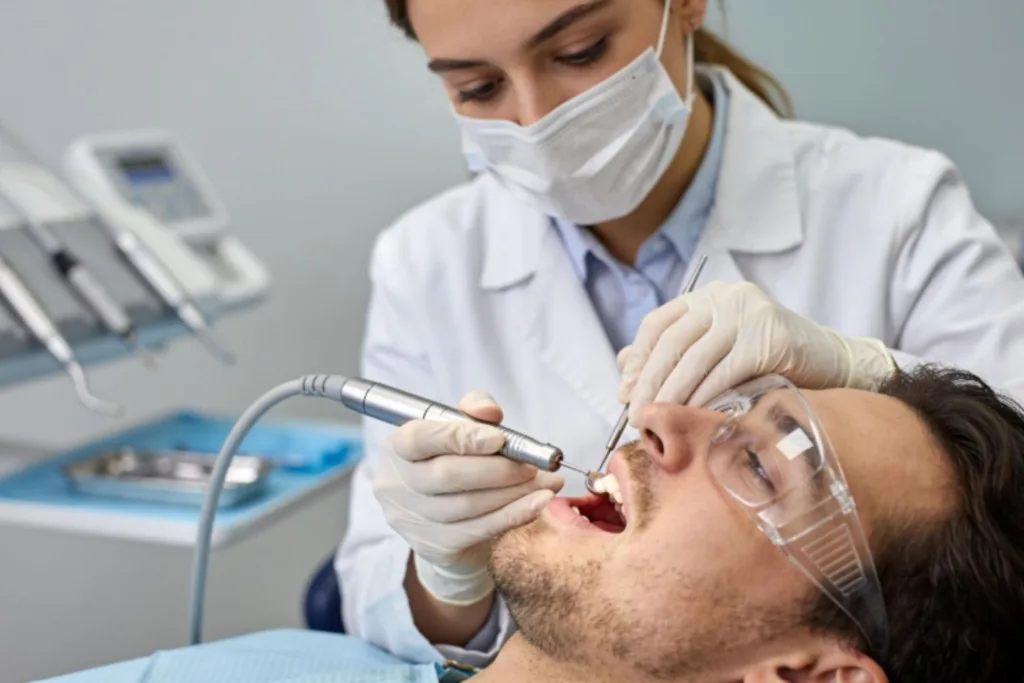
After a root canal, follow the clinician’s guidance on eating while numb, caring for a temporary filling and receiving the final restoration. Avoid chewing very hard foods on a tooth that has not yet been adequately restored. Some tenderness may occur, but swelling that increases, fever or worsening pain should prompt reassessment. After an extraction, protect the developing blood clot, avoid disturbing the socket and follow specific instructions on rinsing, eating and medications. Persistent bleeding or severe worsening pain needs advice.
Do not use a one-size-fits-all list of home remedies. The aftercare for a simple extraction differs from that for complex surgery, an implant or a root canal with a temporary filling. If you smoke, discuss cessation because smoking can affect oral healing. Brush and floss as advised, attend scheduled checks and inform the dentist about new symptoms. Effective maintenance often determines whether the final result stays comfortable and functional over time.
Can tooth pain be prevented?
Not every dental problem is avoidable, but preventive habits reduce risk. Brush twice daily using fluoride toothpaste, clean between teeth using floss or an appropriate interdental method and avoid frequent sugar exposure. Routine examinations can identify cavities, gum disease and failing restorations before symptoms become severe. Patients with dry mouth, braces, diabetes or a history of repeated decay may need an individualized prevention plan. For a broader overview of available dental care, see Le Crest’s guide to dental services in Ghaziabad.
Persistent bleeding gums should not be ignored; they can indicate gum inflammation or periodontal disease. Tobacco use increases oral health risks and frequent sugary drinks may raise decay risk. If you grind your teeth, ask about protecting vulnerable teeth and restorations. Prevention is more effective when patients understand their personal risk factors instead of receiving a generic instruction to “brush more.” The objective is to keep natural teeth comfortable and functional as long as possible.
Finding a dentist in Vasundhara, Ghaziabad
Choosing a dentist in Vasundhara, Ghaziabad
When comparing providers, look beyond claims of “best dentist in Vasundhara.” Check the clinician’s qualifications and registration, experience with your condition, availability of diagnostic imaging, infection-control procedures, explained costs and realistic aftercare. Ask whether the person seeing you is the same dentist who will perform the root canal or extraction, or whether specialist referral is recommended. A clinic should be transparent about limitations and should not pressure you to accept an irreversible procedure without understanding reasonable alternatives.
Le Crest is based in Sector 4, Vasundhara, serving patients who travel from Vaishali, Indirapuram and neighbouring Ghaziabad communities. The public directory names Dr. Utkarsh Upadhyay, Dr. Nisha Joshi and Dr. Khushboo as dental clinicians, but does not currently show direct profile pages for each. For appointments and current services, use the Hospital in Ghaziabad booking page or call +91 95825 78821. Urgent breathing or swallowing difficulty should be assessed in an emergency department rather than via routine WhatsApp booking.
Frequently asked questions about dental pain
1. Is a root canal better than extraction?
Neither is automatically better. A root canal can preserve a suitable tooth; extraction may be necessary when damage or infection makes it unrestorable. An examination and imaging help determine prognosis and options.
2. Can antibiotics cure a dental abscess?
Antibiotics may sometimes be needed, but they often do not eliminate the source of a tooth infection. Dental drainage, root canal treatment or extraction may be required as determined by a clinician.
3. Does every sensitive tooth need a root canal?
No. Sensitivity can come from exposed dentine, worn enamel, decay, cracks or other causes. The dentist uses a history, examination and sometimes tests to determine the appropriate treatment.
4. Why does pain sometimes stop before treatment?
Pain may fluctuate or the nerve may no longer respond while infection persists. A sudden reduction in pain does not prove that a damaged tooth has healed.
5. How many visits does a root canal take?
It depends on the tooth and complexity. Some cases can be completed in fewer visits; others require additional appointments, particularly for persistent infection or complex canal anatomy.
6. Will I need a crown after a root canal?
Often a crown or other protective restoration is advised for a weakened back tooth, but the recommendation depends on remaining tooth structure and chewing forces. Discuss the final restoration before treatment.
7. Are implants suitable for everyone after extraction?
No. Bone, gum health, medical conditions and patient preferences must be considered. Bridges and dentures are alternatives in some situations.
8. When is toothache an emergency?
Swelling causing difficulty breathing, swallowing or speaking, or spreading around the eye or neck, requires immediate emergency assessment. Increasing swelling with fever needs urgent professional advice.
9. Who are the dentists listed at Le Crest Hospital?
The current directory lists Dr. Utkarsh Upadhyay, Dr. Nisha Joshi and Dr. Khushboo. Verify the specific treating dentist’s current schedule and services when booking.
10. Where is the dental department located?
Le Crest Hospital’s Dentistry & Implantology department is in Sector 4, Vasundhara, Ghaziabad. Patients from nearby Indirapuram and Vaishali can enquire about appointments at that location.
Book a dental assessment at Le Crest Hospital
If tooth pain is recurring, disturbing sleep or accompanied by swelling, arrange a dental assessment rather than repeatedly postponing care. A dentist can explain the cause, whether the tooth can be saved, what restoration is needed and what each option involves. Use the Le Crest appointment page for routine bookings. Seek emergency care for breathing or swallowing difficulty associated with dental swelling.