Hair fall that suddenly increases and a facial patch that slowly darkens may look like unrelated concerns. Yet both demonstrate why professional skin care starts with identifying a cause, rather than buying a treatment because it promises quick results. A Skin Specialist in Indirapuram can assess problems involving hair, scalp and pigmentation and explain which options are appropriate for an individual patient.
Le Crest Hospital’s Dermatology and Venereology Department, located in Sector 4, Vasundhara, serves patients travelling from nearby Indirapuram and other parts of Ghaziabad. This guide concentrates on hair health and pigmentation, two subjects that often need careful history, realistic expectations and follow-up. It is educational information, not a substitute for an examination.
What Counts as Hair Loss, and What Is Normal Shedding?
Most people lose some hair during the ordinary hair-growth cycle. A change becomes concerning when the amount is noticeably different, the parting widens, patches become visible, or hair density gradually declines. The pattern and duration matter more than counting every strand after a shower. It also matters whether the scalp is itchy, painful, inflamed or showing scale.
A clinician may ask about recent illness, significant stress, childbirth, medicines, family history, nutrition and scalp practices. These details help distinguish temporary shedding from patterned hair loss and other conditions. Different conditions may occur together, so a patient should not assume that a single vitamin or shampoo will correct all of them.
Diffuse Hair Shedding After Illness or Stress
Some people notice more hair shedding after a physiological or emotional stressor. The visible change may appear after the triggering event rather than immediately. Because the timing can be confusing, a detailed history is valuable. The dermatologist may look for factors that could explain the pattern and decide whether other causes require investigation.
Treatment is guided by the cause and can include reassurance, addressing an underlying medical issue where relevant and monitoring recovery. Not every case needs expensive procedures. If shedding is unusually severe, persistent or accompanied by other symptoms, a medical review can clarify whether additional testing is warranted.
Patterned Hair Loss and Receding Hairlines
Gradual hair thinning at the crown, temples or part line can suggest a patterned form of hair loss. Family history can provide context, but it does not replace assessment. Options depend on the clinical diagnosis, sex, age, medicines, pregnancy considerations, preferences and potential side effects. Some treatments require continued use to maintain benefit.
Be cautious of advertisements promising permanent regrowth in a fixed number of days. Hair response is variable, and treatments cannot always restore follicles that no longer produce hair. Before starting a product or procedure, ask what improvement is realistically expected, how long the trial should last and what happens if treatment is stopped.
Patchy Hair Loss and Scalp Inflammation
Distinct bald patches may have different causes from diffuse shedding. Hair loss with redness, pain, flaking or scarring signs deserves prompt evaluation because some inflammatory scalp conditions can damage hair follicles. A dermatologist may examine the affected areas closely and decide whether tests or specialist treatment are necessary.
Avoid applying strong home remedies to a sore scalp or trying to conceal an unexplained patch with multiple medicated products. Some causes of hair loss are treatable, but outcomes depend on identifying the problem at an appropriate stage. A scalp examination should include questions about itching, tenderness and how quickly the change appeared.
Dandruff Is Not the Only Cause of Scalp Flaking
Flakes can be associated with dandruff, seborrhoeic dermatitis, psoriasis and other scalp conditions. They may resemble one another, yet their treatment and follow-up can differ. Frequent scratching may contribute to discomfort, and hair products can sometimes aggravate irritation. A dermatologist considers the distribution and the appearance of the scalp rather than assuming that every flake needs stronger shampoo.
An appropriate plan may include scalp-care advice and condition-specific medicines when necessary. If symptoms spread beyond the scalp or hair begins falling in patches, further evaluation becomes particularly important. Treatment should aim to control the diagnosed condition without unnecessarily irritating the skin.
Understanding Pigmentation and Melasma
Dark patches can be associated with melasma, inflammation after acne or another skin problem, sun exposure or different medical causes. Melasma often requires a long-term management plan and may recur. A doctor examines the pattern and asks about relevant hormonal factors, medicines, previous products and sun exposure before recommending treatment.
The clinical priority is to distinguish ordinary pigmentation from lesions that require different assessment. A rapidly changing pigmented growth should not be treated casually as melasma. A specialist may recommend suitable skincare and sun protection, medical treatments or selected procedures after discussing realistic benefits and risks.
Post-Acne Marks Versus Acne Scars
A flat dark or red mark after acne is not the same as a depression or raised scar. Colour changes may gradually improve with suitable management, while textural scarring may require different options. This difference is important when deciding whether a product, a chemical peel or another procedure is appropriate.
Active acne should also be assessed because new breakouts may create more marks while old ones are fading. Trying to “erase” marks through frequent abrasive exfoliation can cause irritation and additional pigmentation. Patients should ask whether the plan targets active acne, discolouration, scars or a combination of concerns.
Why Skin Type and Sun Exposure Affect Treatment Choices
Skin tone and sensitivity are relevant to pigmentation management and cosmetic procedures. Some techniques that are suitable for one person may create an unacceptable risk of irritation or unwanted pigment change in another. Everyday protection from excess sun exposure is often part of a balanced plan, but the exact product and routine should fit the patient’s skin.
A dermatologist should review the risk of post-inflammatory pigmentation, the need for patch testing or preparation where appropriate, potential side effects and expected follow-up. A procedure should not be sold as a guaranteed permanent solution. Long-term maintenance may be necessary, particularly for recurring pigmentation disorders.

When Should Cosmetic Treatment Be Considered?
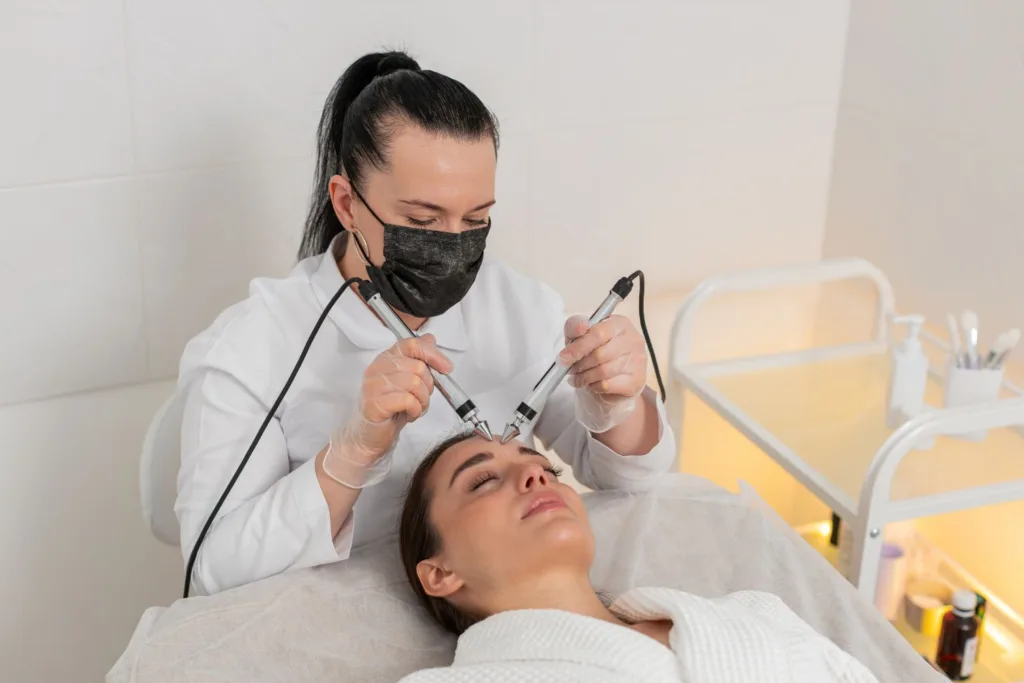
Le Crest Hospital lists cosmetic dermatology services including peels, laser therapy and selected injectable procedures. That does not mean each treatment is indicated for every person with hair loss or a pigmented patch. A medical examination should first establish the diagnosis and whether the condition is stable enough for a cosmetic procedure.
Ask what the procedure is intended to change, whether alternatives exist, possible downtime, complications, aftercare and total expected expense. For hair concerns, ask specifically whether an advertised procedure addresses your type of hair loss and what credible evidence supports the expected benefit. Declining an unnecessary treatment is also a valid medical decision.
Questions Worth Asking a Skin Specialist
Useful questions include: What is the most likely diagnosis? Could another condition explain the symptoms? Are tests needed, and how would their results change treatment? What improvement is realistic in the next few months? What adverse effects should I watch for? When should we review the plan? These questions encourage shared decisions rather than passive acceptance of a product list.
Also mention treatments already used, including herbal products, supplements, strong bleaching creams or medicines purchased online. Previous treatment can alter the skin’s appearance and influence recommendations. If the concern affects confidence or daily well-being, it is reasonable to explain that impact during the consultation.
Dermatology Care Near Indirapuram at Le Crest Hospital
The hospital’s directory lists Dr. Varun Sharma (MBBS, MD Dermatology/DVL), Dr. Amit Verma (MD as publicly listed) and Dr. Shymol in Dermatology. Patients should confirm the doctor’s current schedule and any specific procedure availability when booking. The hospital’s published dermatology services include hair and scalp treatment, medical skin care, allergies, venereology and selected aesthetic options.
Le Crest Hospital is at Budh Chowk, Plot No. 13, Maharaja Agarsain Marg, Sector 4, Vasundhara, Ghaziabad. It serves people from Indirapuram’s Ahinsa Khand, Niti Khand, Gyan Khand, Shakti Khand, Nyay Khand, Vaibhav Khand, Abhay Khand and surrounding areas.
Choose a Plan Based on the Cause
A hair or pigmentation concern deserves clear information about the diagnosis and treatment limits. If shedding is changing, scalp symptoms are persistent or pigmentation is worsening, a qualified assessment is more reliable than trial-and-error products. Patients near Indirapuram can contact Le Crest Hospital in Ghaziabad to confirm dermatology appointment availability.
Frequently Asked Questions
1. Can a skin specialist determine why my hair is falling?
A specialist can assess the shedding pattern, examine the scalp and recommend investigations when clinically indicated. Some causes require ongoing management.
2. Is every case of hair loss caused by vitamin deficiency?
No. Hair loss has multiple potential causes, including patterned, inflammatory and temporary shedding conditions.
3. Should I use strong pigmentation creams without a prescription?
Avoid unsupervised use of potent treatments. Incorrect products can cause irritation or worsen pigment changes.
4. Is melasma always permanently curable?
Melasma can recur; management often focuses on improvement, trigger control and maintenance rather than guarantees.
5. Are acne marks the same as scars?
No. Flat colour changes differ from textural scars and may require different approaches.
6. Can dandruff cause scalp discomfort?
Yes, but itching and flaking have different possible causes. Persistent or severe symptoms deserve assessment.
7. Is laser treatment suitable for every dark patch?
No. Suitability depends on the diagnosis, skin type, risks and previous treatments.
8. Where can patients from Indirapuram consult the dermatology team?
Le Crest Hospital’s department is in Sector 4, Vasundhara, Ghaziabad, near Indirapuram. Book An Appointment also on Website.