Knee pain can begin after a sports injury, develop gradually while climbing stairs or appear with swelling after an ordinary day. The cause cannot be identified from pain location alone. Osteoarthritis, ligament or meniscus injuries, tendon problems, inflammation and infection may share symptoms but require different management. Some situations improve with carefully chosen activity changes and rehabilitation; others need urgent assessment. A clinician considers age, injury mechanism, swelling, movement, stability, existing medical conditions and examination findings before recommending tests or treatment.
People searching for an orthopedic doctor in Ghaziabad can explore Le Crest Hospital’s Orthopaedic & Joint Replacement department and its Orthopedic in Ghaziabad service page. The current doctors directory lists Dr. Harish Talan, Dr. Anil Tomar and Major Dr. Praveen Kumar Pandey. The hospital is located in Vasundhara, accessible to patients from neighbouring Indirapuram and Vaishali. This guide explains likely patterns of knee pain, appropriate tests and realistic rehabilitation–not promises of surgery-free or guaranteed recovery.
Quick guide: knee symptoms and possible causes
• Gradual stiffness and pain with walking or stairs – A clinician may consider: Osteoarthritis, overuse or other joint conditions; Level of attention: Routine assessment if persistent
• Twist during sport followed by swelling or instability – A clinician may consider: Ligament or meniscus injury; Level of attention: Timely orthopedic assessment
• Front-of-knee discomfort with stairs or squatting – A clinician may consider: Patellofemoral or tendon-related problems; Level of attention: Routine assessment if persistent
• Very swollen, hot, red knee with fever – A clinician may consider: Joint infection or acute inflammatory problem; Level of attention: Urgent emergency evaluation
• Inability to bear weight after an injury or obvious deformity – A clinician may consider: Fracture, dislocation or major soft-tissue injury; Level of attention: Emergency evaluation
• Locked knee or persistent giving-way – A clinician may consider: Meniscal, ligament or mechanical disorder; Level of attention: Prompt assessment
These are possibilities, not diagnoses. The NHS knee-pain guidance recommends urgent help for inability to bear weight, severe swelling, deformity, locking or signs of infection. Do not delay evaluation of serious symptoms while trying exercises found online.
Understanding common causes of knee pain
How does osteoarthritis of the knee usually feel?
Osteoarthritis involves changes in cartilage, bone and other joint tissues. It often causes pain that worsens with activity, stiffness after sitting and difficulty walking long distances or climbing stairs. Some people notice swelling or creaking, but these symptoms alone do not confirm arthritis. Imaging changes and symptom severity do not always match: a person can have visible wear on an X-ray with relatively little pain, while another person experiences substantial functional difficulty. That is why management should be based on both symptoms and examination findings.
A clinician may ask about the duration of stiffness, day-to-day limitations, previous injuries, other painful joints and general health. Treatment often includes appropriately graded exercise, strengthening, weight management where relevant, education and selected pain-relief approaches. Joint replacement is one option for a subset of people with substantial symptoms despite suitable conservative treatment; it is not the default recommendation for everyone whose X-ray mentions osteoarthritis. The US National Institute of Arthritis and Musculoskeletal and Skin Diseases describes exercise, weight management and individualized treatment as important components of care.
Ligament injury: when a twist becomes more than a sprain
Ligaments help stabilize the knee. The anterior cruciate ligament (ACL), posterior cruciate ligament and collateral ligaments can be injured during sports, falls or sudden changes of direction. A person may report a pop, swelling within hours, an unstable feeling or difficulty returning to sport. But the absence of a pop does not rule out injury and pain intensity alone does not grade damage. The examination focuses on the injury mechanism, stability, range of motion and other possible structures involved.
Management depends on the particular ligament, injury severity, activity goals, associated meniscal or cartilage damage and the patient’s circumstances. Some injuries respond to structured rehabilitation and bracing; others may warrant surgical discussion. A professional should explain how the decision relates to stability and function rather than automatically treating all ACL injuries the same way. Athletes should not return to cutting or pivoting sports simply because swelling has disappeared. Safe return to activity is based on strength, movement control, symptoms and individualized professional clearance.
Meniscus tears: why catching and locking matter
The menisci are fibrocartilage structures that help distribute load within the knee. Tears can occur after twisting trauma or develop gradually with age-related tissue changes. Symptoms can include joint-line pain, swelling, catching and occasional locking. However, many people with knee pain do not need an MRI and a meniscal abnormality seen on imaging may not be the sole explanation for symptoms. A clinician uses the history, physical examination and the pattern of functional limitation to decide whether imaging is useful.
A truly locked knee–where the joint cannot straighten normally–needs prompt assessment. For other meniscal symptoms, a programme of activity modification, targeted strengthening and progressive rehabilitation may be appropriate, depending on the tear and clinical situation. Some tears require surgical consideration. Ask whether surgery is expected to improve a clear mechanical problem, what non-surgical care has been tried and what recovery would involve. Not every degenerative tear benefits from arthroscopy and a procedure is not a shortcut around rehabilitation.
Pain in the front, back or side of the knee
Front-of-knee pain may occur with patellofemoral pain, tendon irritation, injury or other conditions. Pain behind the knee can sometimes be associated with a fluid-filled Baker’s cyst or problems elsewhere in the joint. Inner or outer knee pain can reflect meniscal, ligament, tendon or arthritic changes. Pain location guides questions but does not make a diagnosis. A full assessment also considers the hip, ankle, lower back and walking pattern because symptoms may reflect movement or load across several structures.
For example, a runner with increasing pain after changes in training may need load management and strengthening rather than immediate imaging. An older adult with stiffness and reduced walking distance may need assessment for arthritis and support with maintaining mobility. Someone with new calf swelling and pain also needs consideration of conditions outside the knee joint, including blood clots, which may require urgent medical care. Describe the whole pattern, not merely “left knee hurts,” when speaking to a clinician.
When knee symptoms need urgent care
When knee swelling needs urgent medical assessment
Swelling can follow injury, inflammation or joint irritation, but certain combinations warrant urgency. A hot, very painful swollen knee with fever or feeling unwell needs prompt emergency assessment because a joint infection must be excluded. Following trauma, inability to walk, a deformity, reduced sensation or severe uncontrolled pain may indicate a serious injury. New leg swelling accompanied by chest pain or difficulty breathing is an emergency. Do not massage a severely swollen leg or try intense exercise before the cause is understood.
Initial first aid after a minor injury may involve relative rest, elevation and a wrapped cold pack for short periods. But this is not a substitute for assessment when warning signs are present. Avoid forcefully stretching a joint that is locked or unstable. If weight bearing is painful, seek professional advice about temporary support. Tell the treating team whether you take blood thinners, have inflammatory arthritis, diabetes, immune suppression or a prior joint replacement, because these details may affect evaluation and risk.
Orthopaedic assessment and imaging
What happens during an orthopedic consultation?
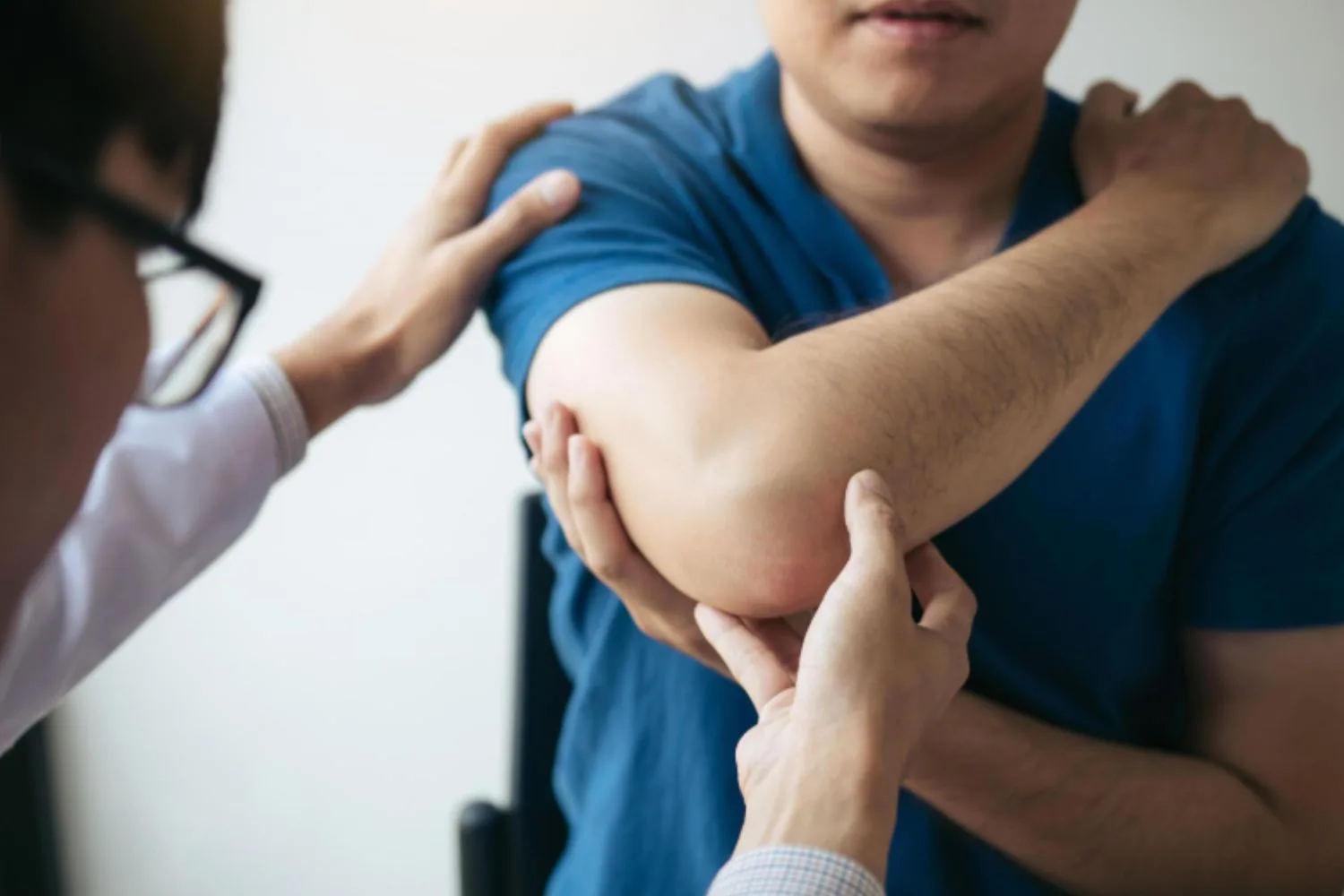
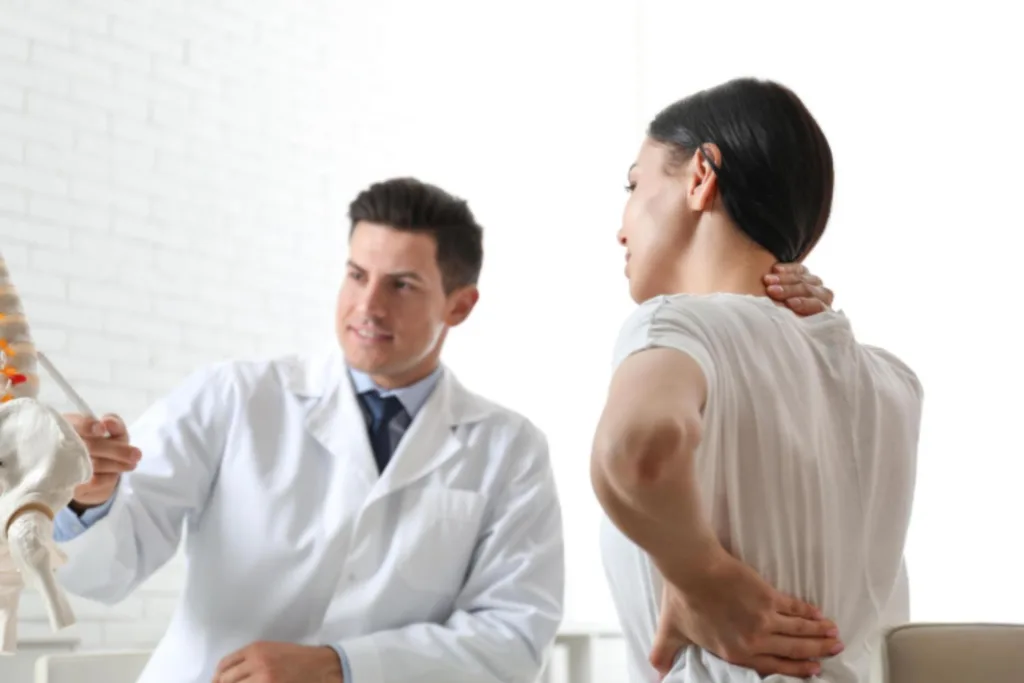
The orthopedic doctor asks when the pain started, whether there was a fall or twist, previous knee injuries, symptoms such as locking or instability and which activities are limited. They examine walking, knee motion, swelling, tenderness and stability, using tests suited to the situation. A clinician may also evaluate hip and spine movement when symptoms do not fit a straightforward knee diagnosis. Medical history and medication use matter, particularly if pain-relief medicines or surgery are being considered.
Bring older X-rays, MRI reports, prescriptions and a list of medical conditions. Mention whether the knee gives way, whether you can walk upstairs and how long stiffness lasts. You should leave knowing the likely diagnosis, whether more tests are needed, which movements are safe, what rehabilitation is planned and when to return. If surgery is suggested, ask what problem it is intended to solve, what happens if you choose a non-surgical path first and how the decision aligns with your goals.
Do you need an X-ray or an MRI?
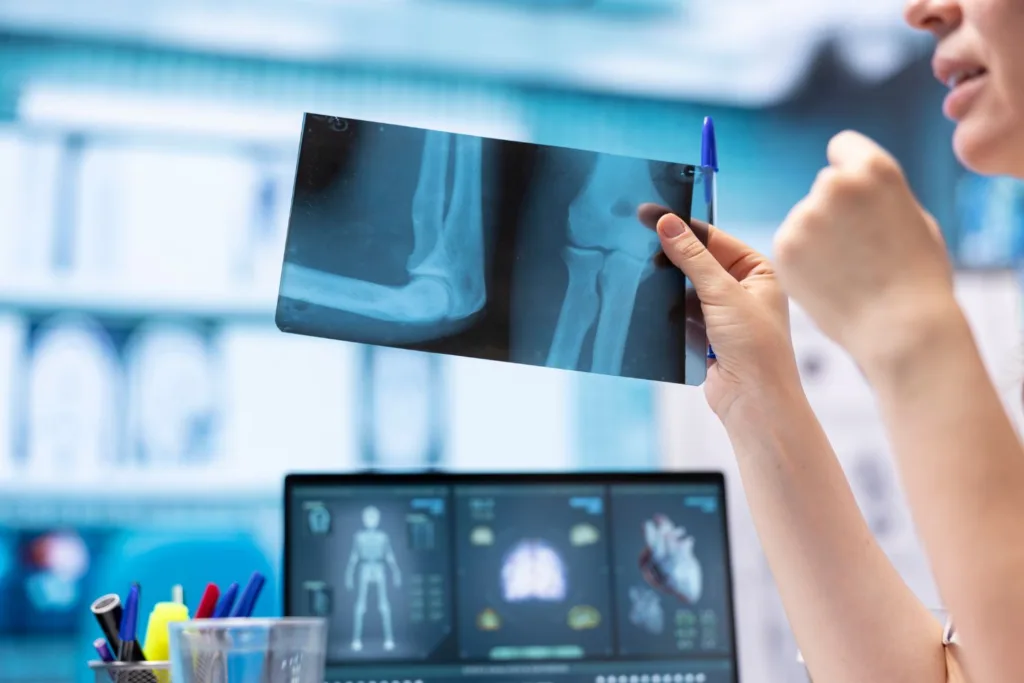
Not necessarily. X-rays can help assess bone alignment, fractures and osteoarthritic changes. An MRI can show soft-tissue structures, but it is most useful when the result is likely to change management. A person with a stable pattern of atraumatic pain may not need immediate advanced imaging. Conversely, trauma with concerning examination findings may require prompt imaging. The decision depends on history, examination, possible diagnoses and the clinician’s judgement.
People sometimes believe that a longer scan report means a more serious injury. MRI findings should be interpreted in context because age-related changes are common. If you already have a scan, ask the doctor which finding explains your symptoms, how confident that interpretation is and whether additional testing is necessary. Avoid requesting repeated scans solely because pain persists without discussing whether a different diagnostic strategy or rehabilitation approach would be more helpful.
Knee treatment, rehabilitation and recovery
The role of physiotherapy in knee rehabilitation
Physiotherapy can help improve movement, strength, balance and confidence in daily activities. A tailored programme may include exercises for the thigh, hip and calf muscles, gait advice, progressive loading and activity modification. The right plan differs for osteoarthritis, ligament injury, meniscal symptoms and recovery after surgery. People who become inactive because of pain can lose strength, creating additional difficulty. The aim is usually graded, tolerable activity rather than either complete rest or forcing painful movement.
Le Crest has a separate Physiotherapy department and a Physiotherapy in Ghaziabad page. Patients looking for physiotherapy in Vasundhara can ask how orthopedic and rehabilitation plans are coordinated. A physiotherapist should assess your current ability and any surgical precautions before recommending exercises. After knee replacement or ligament reconstruction, the treating surgeon’s protocol, wound condition and complications determine which movements and loads are safe.
Knee injections and medicines: questions to ask
Pain-relieving medicines can help some patients participate in rehabilitation, but suitability depends on kidney function, stomach issues, cardiovascular risk, other medicines and the specific diagnosis. Topical preparations and selected oral medicines may be considered by a clinician. Some patients ask about injections; their role depends on the condition, expected duration of benefit, risks and available evidence. It is important not to assume that every marketed injection “regenerates cartilage” or permanently reverses arthritis.
Ask what an intervention is expected to achieve. Will it reduce pain temporarily, help rehabilitation, treat a specific inflammatory problem or address a mechanical issue? What are the possible adverse effects? Are there alternatives with better evidence for your situation? A responsible clinician should discuss realistic outcomes rather than offering a single expensive solution to everyone. The combination of medical assessment, function-focused rehabilitation and informed decision-making is generally more helpful than chasing isolated treatments.
When is knee replacement considered?
Knee replacement may be discussed when osteoarthritis or another serious joint condition causes substantial pain and disability despite appropriate non-surgical management. The decision involves symptoms, examination, imaging, general health and patient preferences. Age alone should not determine the choice and the radiology report alone should not dictate surgery. Patients deserve a clear explanation of expected mobility gains, infection and clot risks, rehabilitation commitments, implant limitations and the possibility of persistent symptoms afterward.
Not all knee replacements are identical and surgical planning differs according to anatomy, health and the extent of joint damage. If terms such as robotic surgery, navigation or partial replacement are mentioned, ask whether the technique is actually offered by the hospital and whether it is relevant to your case. Avoid assuming that a technology label guarantees a better outcome. After any operation, rehabilitation, wound care, movement and follow-up are essential. A preoperative conversation should include what support will be available after discharge.
Recovering safely and returning to daily activity
Recovery timelines vary with the diagnosis. A mild strain may settle with a gradual return to activity, whereas serious ligament injuries or joint surgery require longer structured rehabilitation. Progress should be assessed by pain, swelling, range of motion, strength, balance and activity performance. Returning to a sport solely after a fixed number of weeks can be unsafe if the knee still gives way or strength is inadequate. Similarly, complete avoidance of activity for months may lead to weakness when carefully supervised movement could help.
Patients should know how to recognize setbacks: increasing swelling, fever, severe calf pain, new numbness or worsening functional limitation are reasons for medical advice. Good rehabilitation includes realistic goals, a home-exercise plan patients understand and review when progress stalls. For office workers, the goal may be comfortable stairs and commuting. For older adults, it may be safe walking and independence. For athletes, it may involve higher-level strength, balance and sport-specific testing.
Orthopaedic care in Ghaziabad and nearby areas
How to choose an orthopedic doctor in Ghaziabad
Search terms such as “best orthopedic doctor in Ghaziabad” reflect a real desire for experienced care, but the right clinician depends on the specific problem. Ask about relevant training, experience managing knee conditions, available diagnostic support, the balance of surgical and non-surgical care and continuity of rehabilitation. The ability to explain uncertainty and alternatives is a professional strength, not a weakness. Do not rely on claims of “100% success” or guaranteed return to sport, especially when a treatment is invasive.
Le Crest’s current directory identifies Dr. Harish Talan, Dr. Anil Tomar and Major Dr. Praveen Kumar Pandey in Orthopaedics. Major Dr. Pandey has an individual profile; direct profiles were not visible for the other two in the checked directory. For accurate specialist schedules and specific procedures, confirm with the hospital. Orthopedic queries from Indirapuram or Vaishali should be directed to the real Vasundhara facility, not represented as separate clinics.
Orthopedic care near Indirapuram and Vasundhara
Le Crest Hospital is based at Budh Chowk, Sector 4, Vasundhara, Ghaziabad. Residents of Indirapuram, Vaishali and nearby NCR localities may consider its orthopedic department if the required expertise and diagnostic services are available. Consult the Orthopaedic & Joint Replacement department and the Ghaziabad orthopedic service page for available information. The relevant appointment route is the Le Crest booking page or +91 95825 78821. For an overview of the hospital’s wider specialties and patient support, see its Best Hospital in Ghaziabad page.
For serious trauma, a deformity, a hot swollen joint with fever or an inability to bear weight after an injury, seek urgent assessment rather than awaiting a regular clinic slot. In India, 112 is the national emergency response number. If symptoms are not urgent, prepare notes about when the pain began, which movements aggravate it and what treatments you have already tried. These details help an orthopedic consultation focus on the cause rather than just the pain intensity.
Frequently asked questions about knee pain
1. Is knee pain always arthritis?
No. Ligament injuries, meniscal problems, tendon disorders, inflammation, fractures and other conditions can cause knee pain. The diagnosis depends on the history and examination, sometimes supported by imaging.
2. Can arthritis be managed without knee replacement?
Often, yes. Many people benefit from exercise, strengthening, weight management where relevant, medicines and other individualized measures. Surgery is considered when symptoms and disability remain substantial despite suitable care.
3. Does a meniscus tear always require surgery?
No. Some tears and degenerative changes respond to rehabilitation and activity modification. A locked knee or selected mechanical problems may need more urgent specialist assessment.
4. Should I get an MRI for every knee injury?
No. Imaging is selected according to examination findings and whether results would change treatment. X-rays may be more useful for suspected fractures or arthritis.
5. When is knee swelling dangerous?
A hot, swollen joint with fever, severe pain, inability to bear weight or a deformed joint requires urgent evaluation. Do not continue strenuous exercise in these situations.
6. Can physiotherapy help with knee arthritis?
Individualized strengthening, mobility and activity guidance can be valuable. The plan should account for pain, function, other health conditions and a patient’s starting ability.
7. How do I know whether knee pain is from an ACL injury?
A twisting injury, swelling and instability may raise suspicion, but diagnosis requires clinical assessment. Not every pop or painful knee means an ACL tear.
8. How long does recovery from knee surgery take?
Recovery varies by procedure and personal circumstances. Ask the surgeon for a rehabilitation plan, milestones, precautions and signs that should prompt medical review.
9. Which orthopedic doctors are listed at Le Crest Hospital?
The directory lists Dr. Harish Talan, Dr. Anil Tomar and Major Dr. Praveen Kumar Pandey. Confirm current consultation schedules before travelling.
10. Is Le Crest Hospital in Indirapuram?
No. The hospital is in Sector 4, Vasundhara, Ghaziabad and may be accessible to people from Indirapuram and Vaishali. Location wording should not suggest a separate branch.
Book an orthopedic assessment
If knee pain affects walking, work, stairs or sleep, an orthopedic consultation can clarify possible causes and the next step. For routine assessment, use the hospital’s appointment page. Seek urgent care for serious injury or infection warning signs. Treatment should be matched to the condition and functional goals–not to the marketing promise of a particular scan, injection or operation.